The Vision
For this project, I wanted to focus on a clean, minimalist design style using vector geometry. The goal was to build a system where raw music frequencies directly control 3D splines, testing how simple line paths can shift, twist, and deform to a beat while maintaining sharp, precise shapes.
The Creative Challenge & Approach
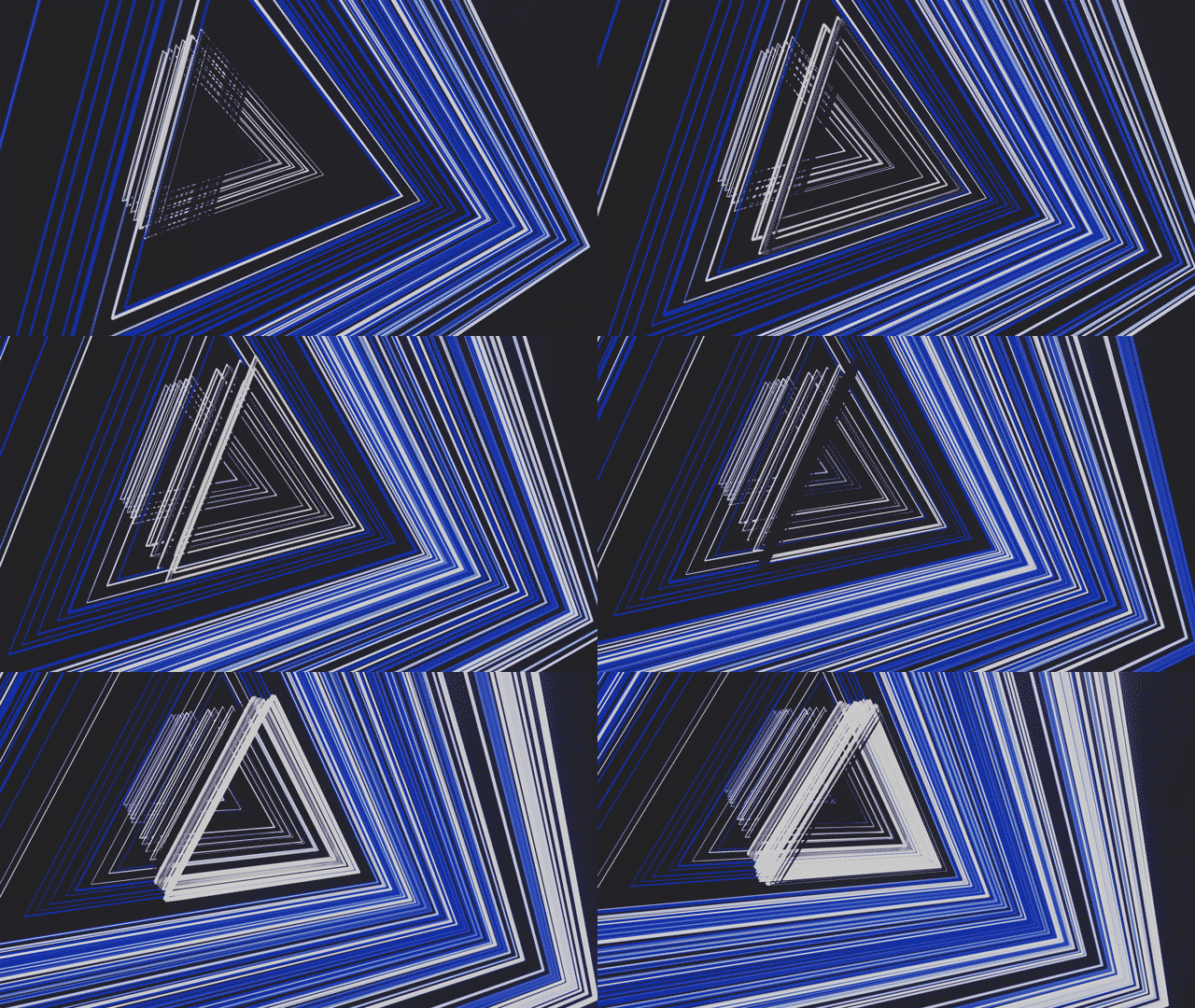
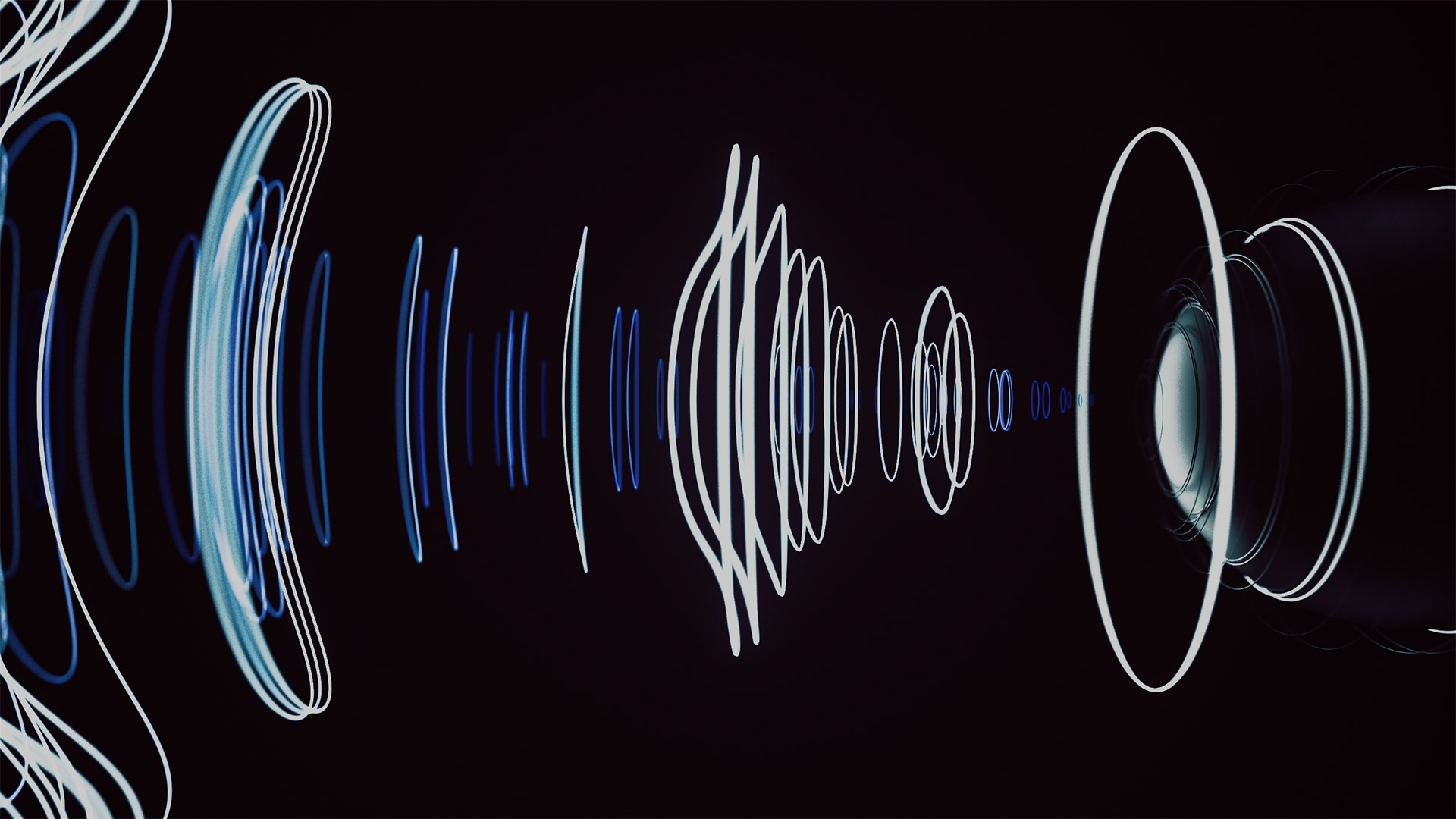
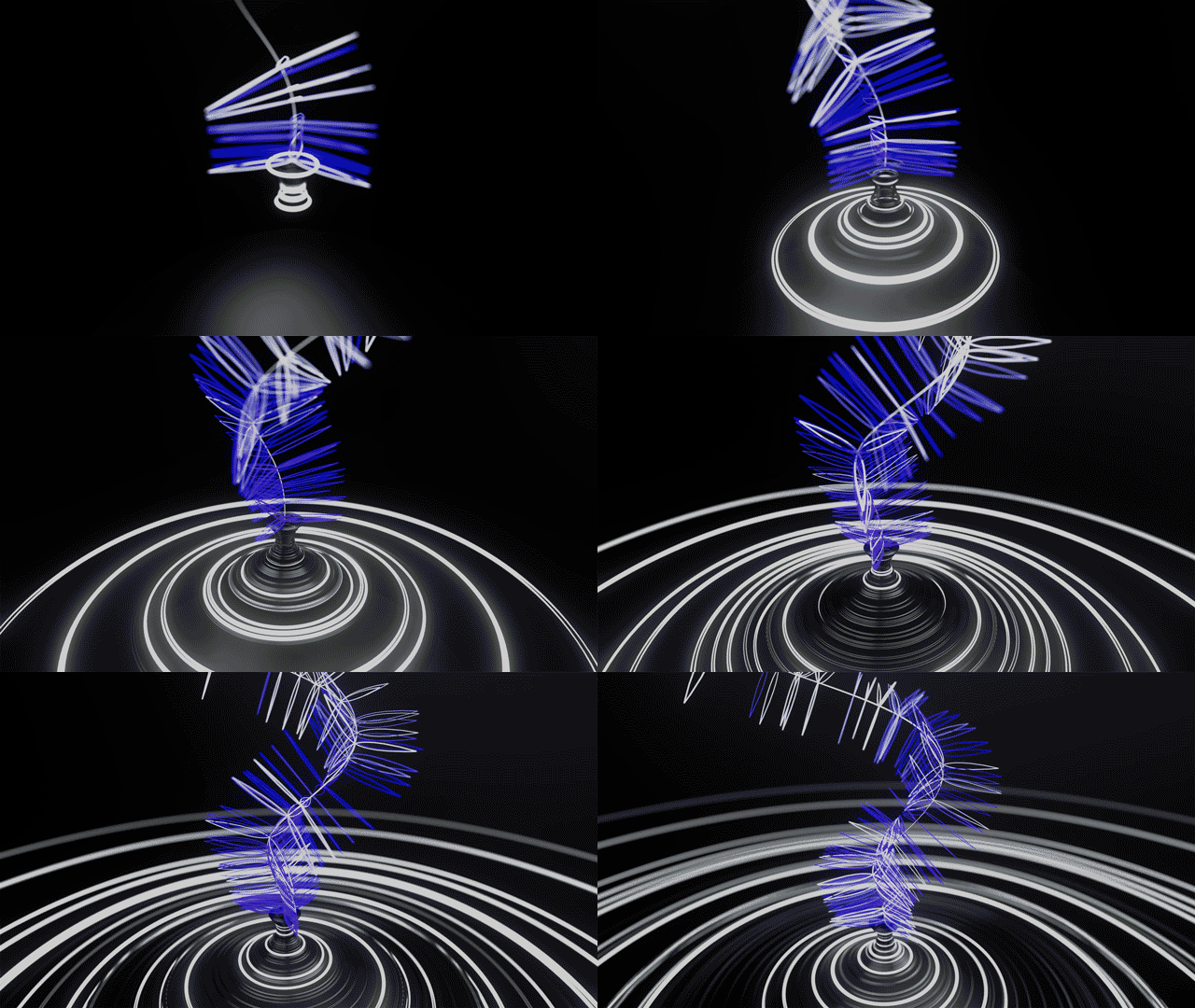
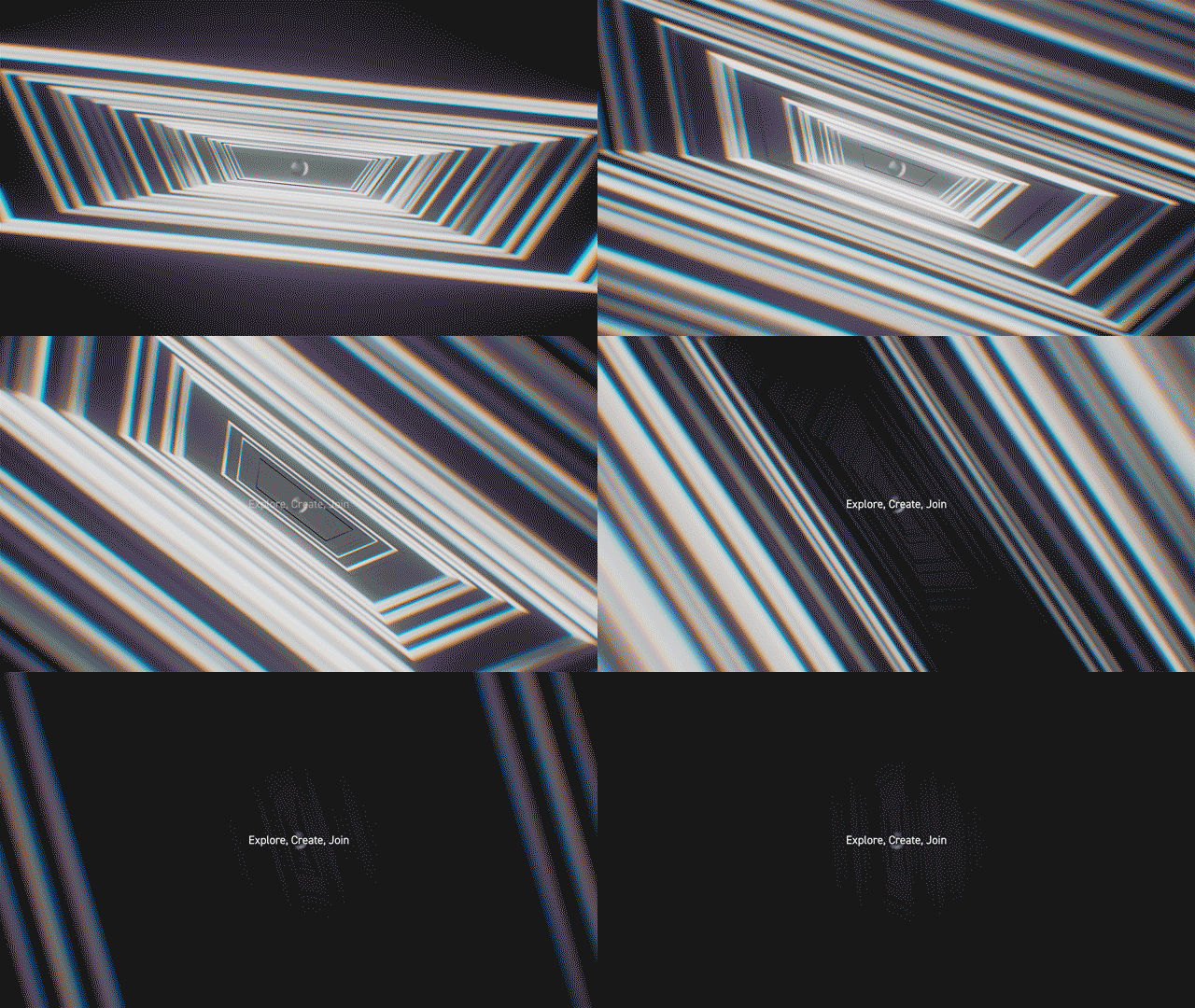
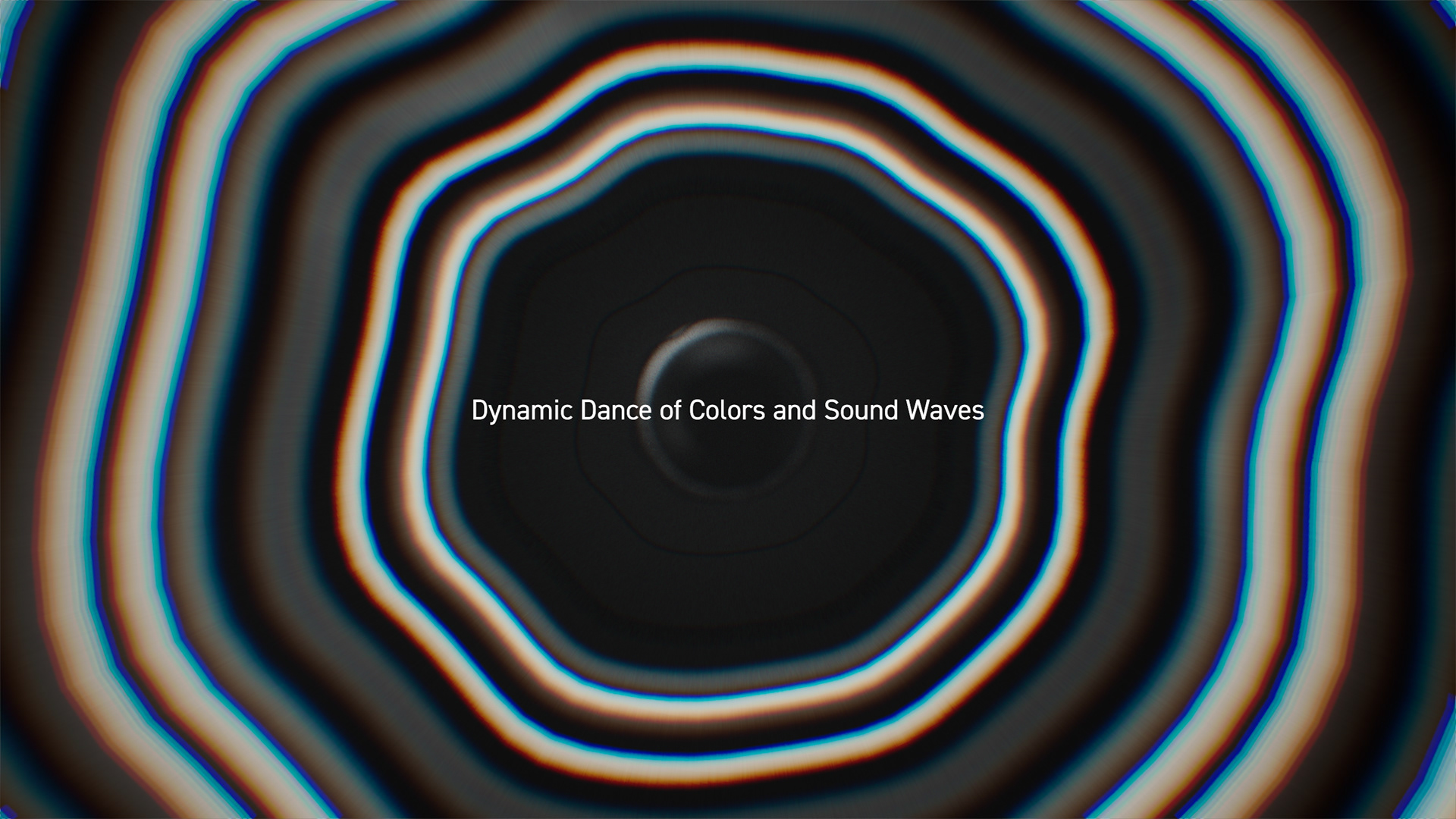
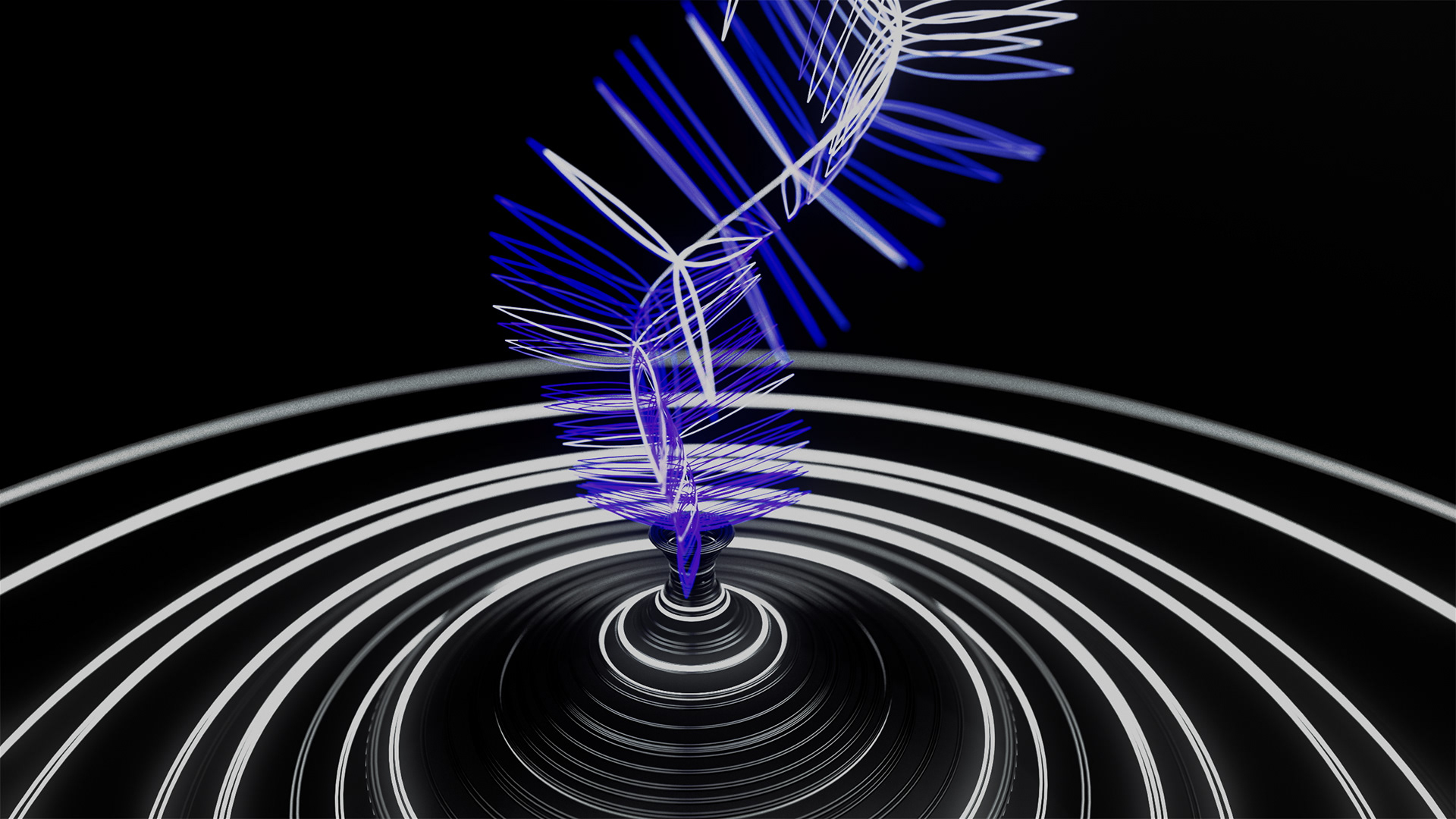
The main design hurdle when working with purely abstract lines is preventing the viewport from looking empty or flat. When you remove heavy textures and lighting, you lose the safety net of 3D depth. To overcome this, I combined multiple classic geometric structures—like concentric ring radars, spiraling helixes, and tight tunnel arrays—and drove them sequentially using the music's timeline.
Instead of letting the splines float randomly, I mapped the low-end bass kicks to control the scale and thickness of the lines, while the snappier mid-tones triggered sharp rotations and directional camera cuts. This created a solid sense of structural depth using nothing but minimal geometry.











Technical Execution
The backend of this project was built inside Cinema 4D using X-Particles and rendered out with a clean, vector-style glow material using Redshift.
I used the xpSound module to extract accurate frequency data from the audio track and mapped those values directly to the parameters of native Cinema 4D deformers and X-Particles modifiers.
By binding the audio amplitudes to control variables like line resolution and formula frequencies, the paths automatically bend, morph, and snap perfectly to the track.
Because this pipeline is driven entirely by an optimized object hierarchy, the setup can easily take any new vector file layout and instantly animate it to a fresh sound track.
▶️ Watch the full technical tutorial and R&D breakdown below: