The Vision
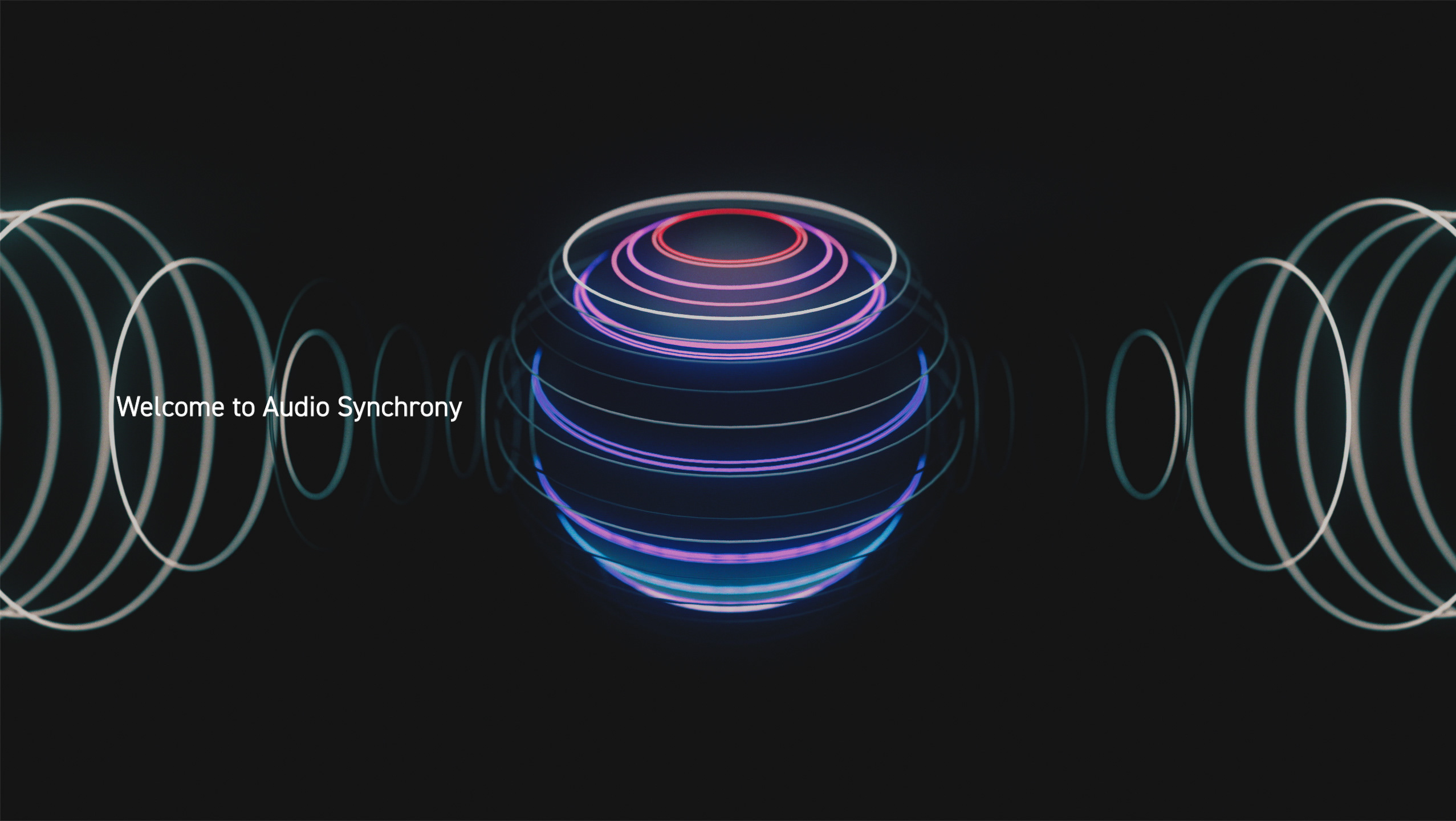
Data is often treated as something invisible and dry, but in reality, it's the heartbeat of modern technology. With this project, my vision was to peel back the layers of hardware and show the life inside it. I wanted to take abstract concepts like data routing, microcomputing, and neural networks, and turn them into a cinematic world that feels fast, smart, and alive. It’s about showing how a tiny silicon chip can build an entire digital ecosystem, from microscopic circuits to massive connected systems.
Creative Strategy & Process
The biggest headache with high-tech visual storytelling is keeping people from getting overwhelmed by too much data on screen. If you just throw random lines and geometry at the viewer, they lose interest. My strategy for this project was all about playing with scale—structuring the visuals so we could jump between entirely different environments without losing the audience along the way.
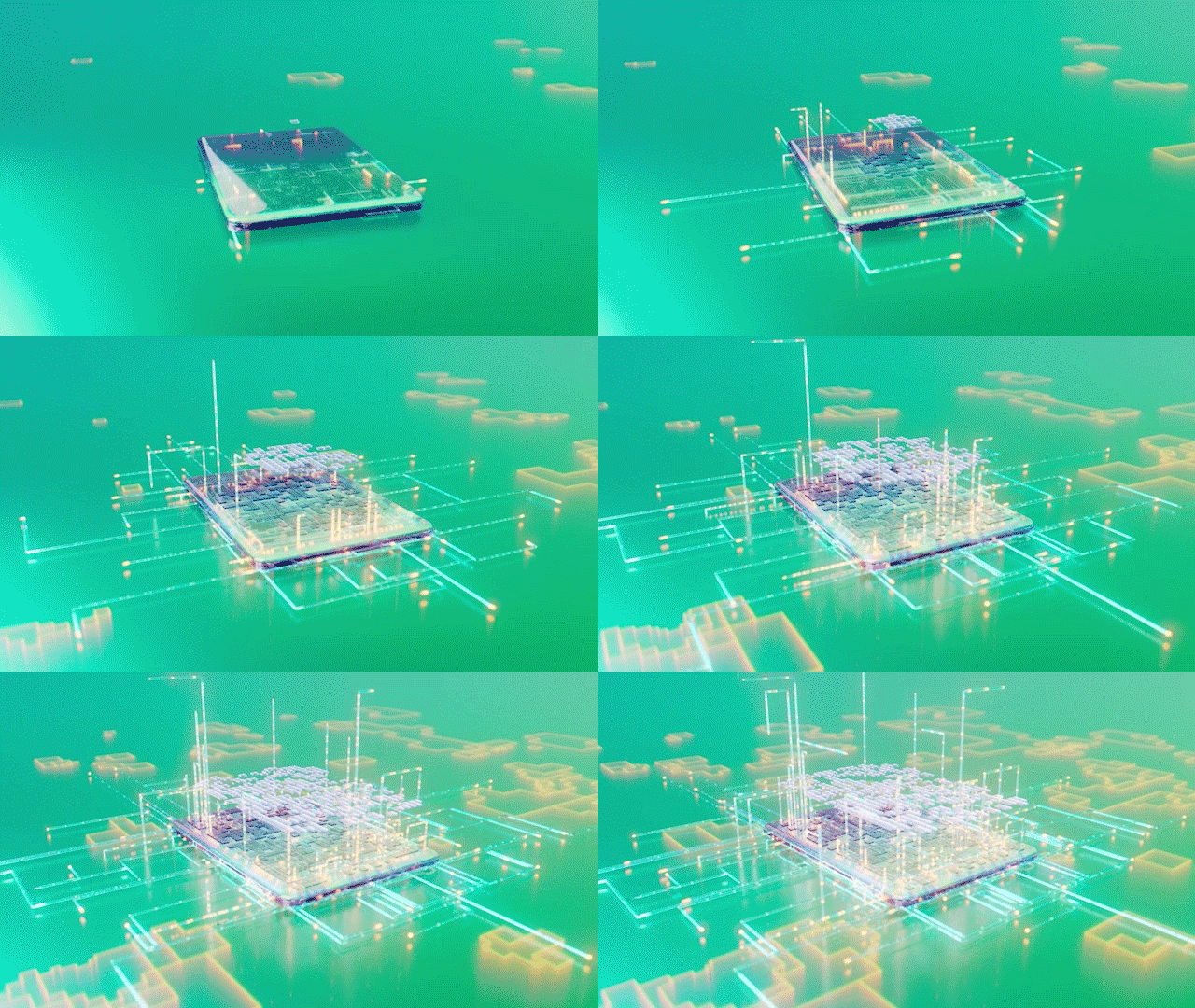
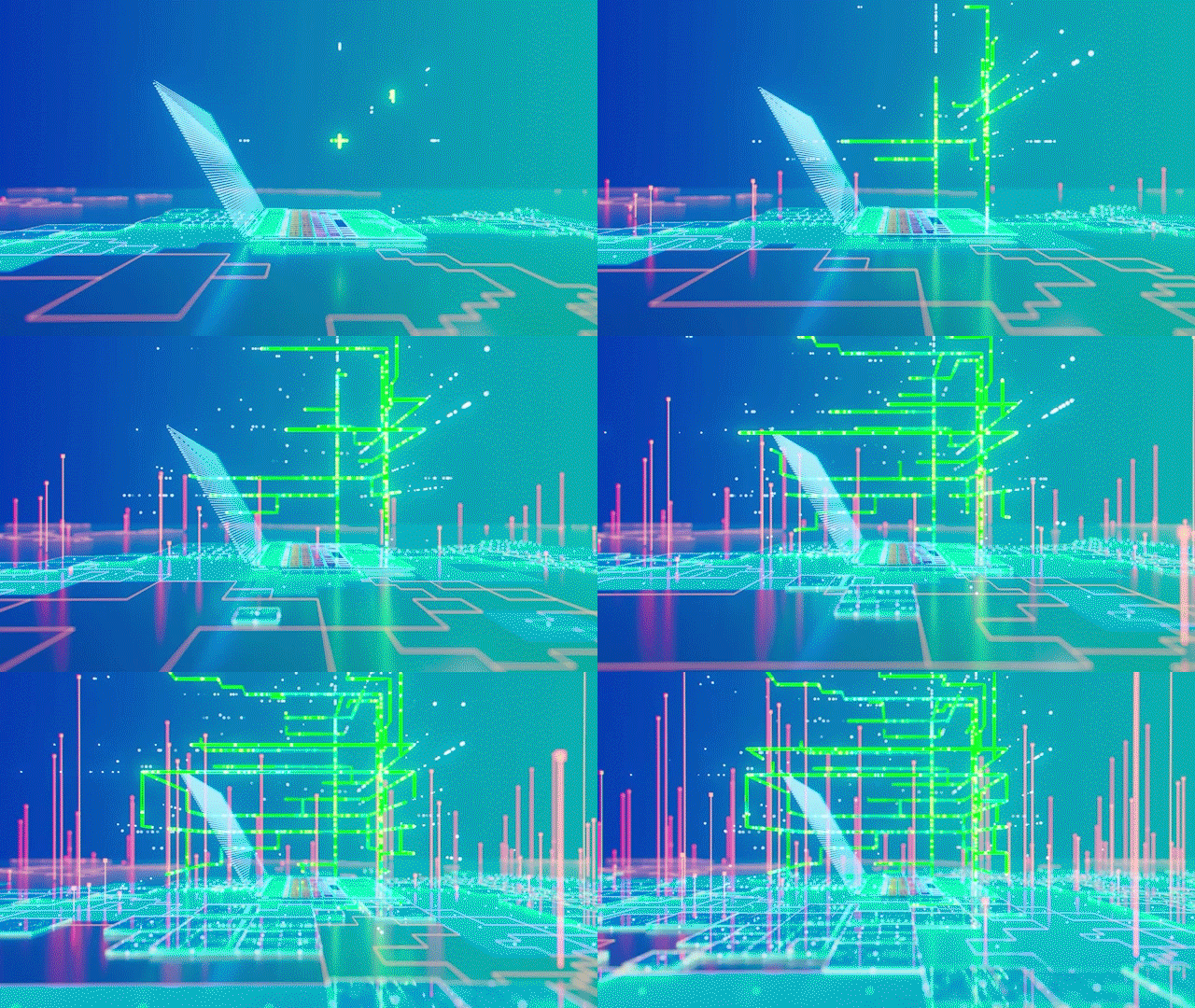
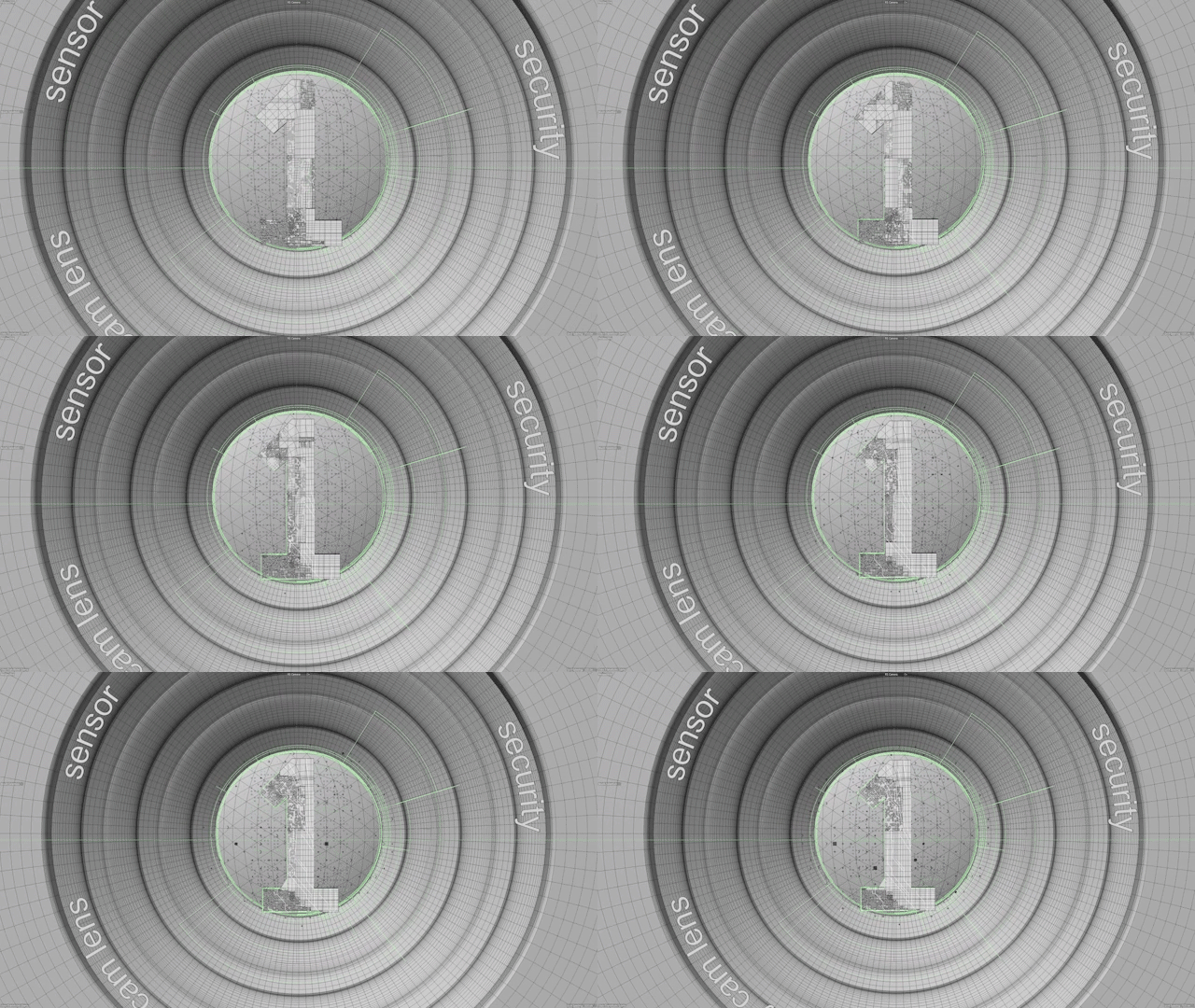
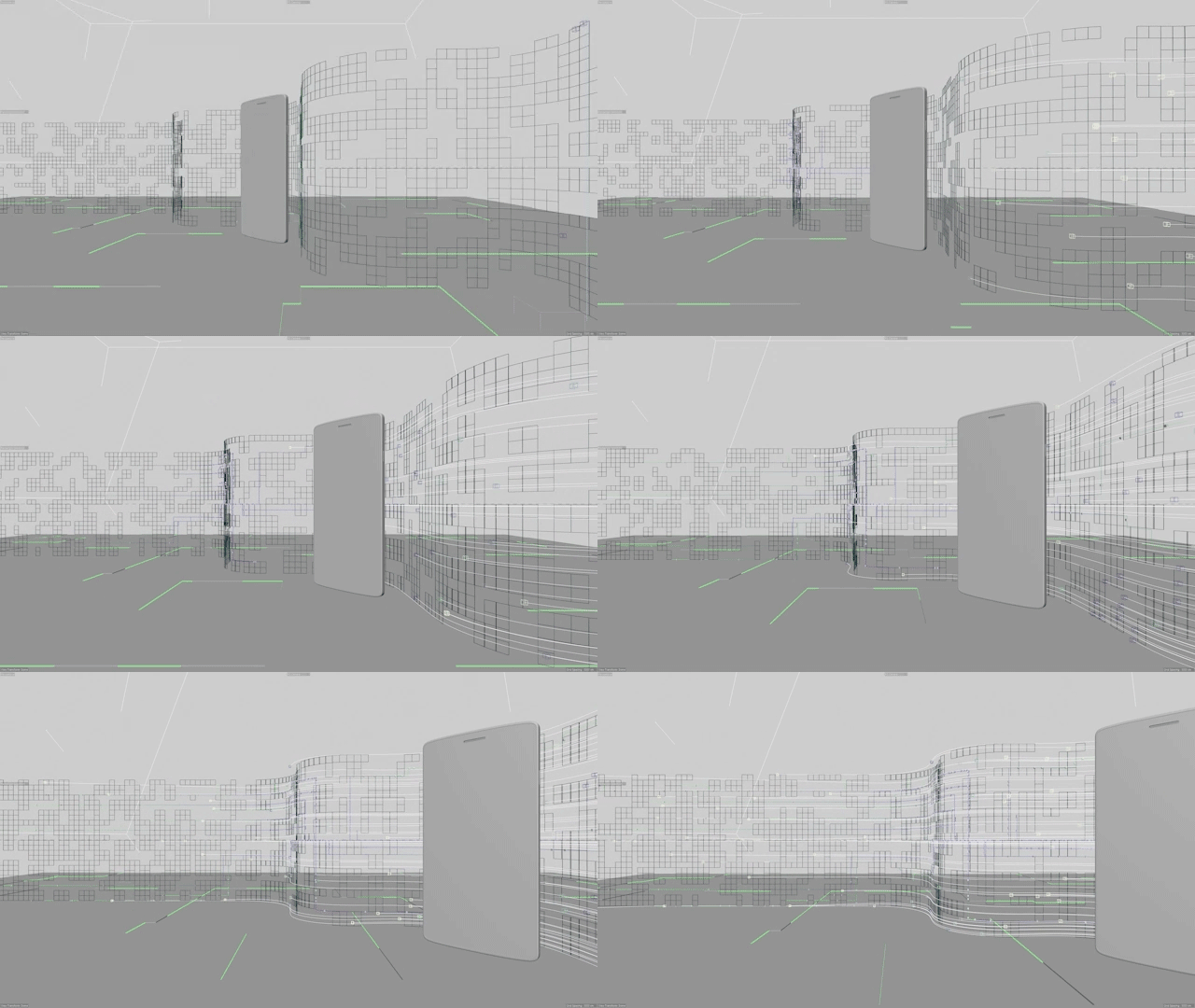
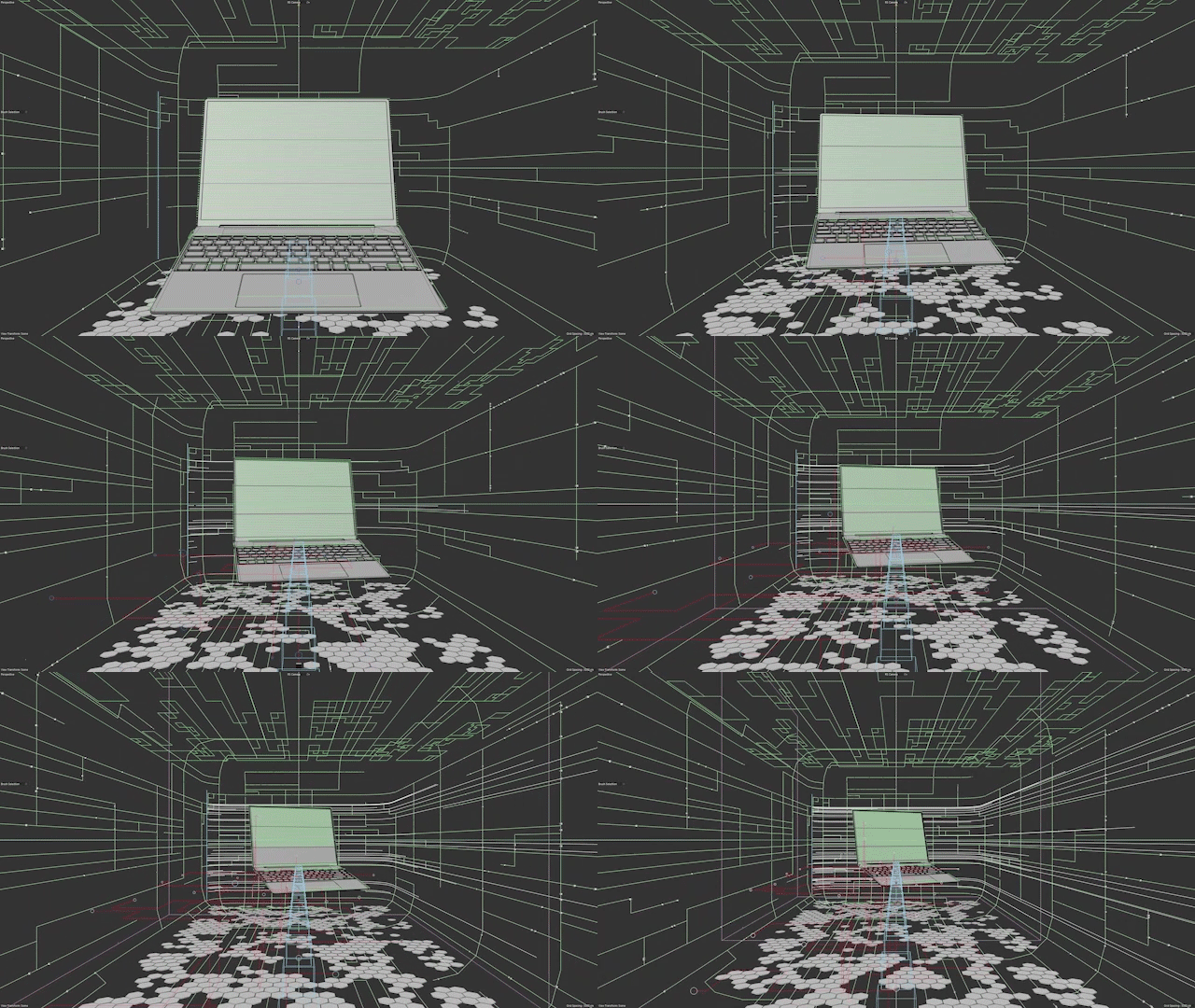
I wanted the narrative to move naturally from the micro to the macro. We start with tight, macro shots of microchip architecture and internal circuits. From there, the camera pulls back as the data lines break out of the hardware, expanding into a digital landscape, and finally locking into everyday tech like laptops and mobile screens. Mapping out this clear flow early on meant I could maintain a steady, cinematic pacing that makes complex network systems feel clear, readable, and incredibly polished.









Technical Execution
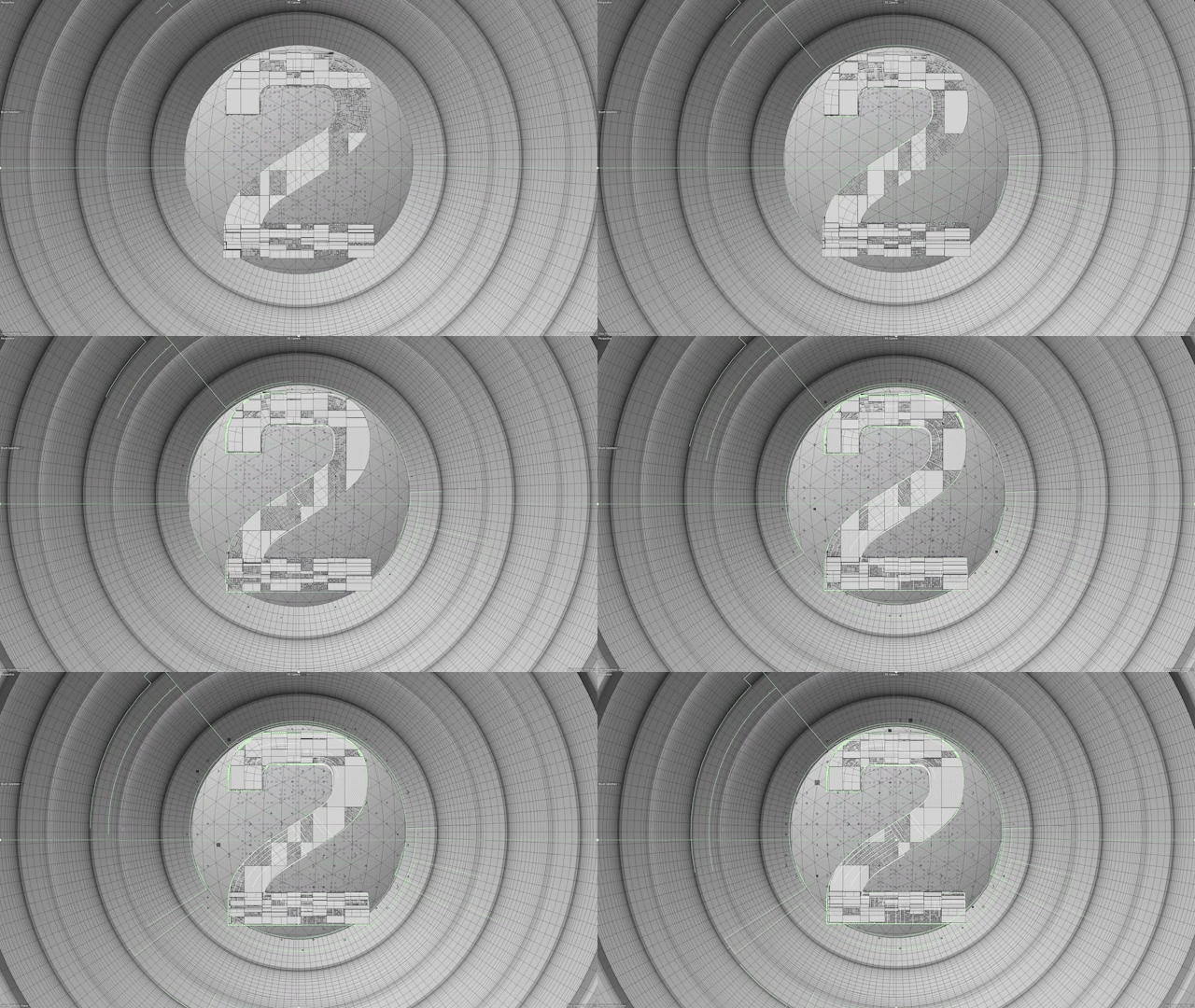
To build these dense, data-heavy worlds, I leaned on Cinema 4D and X-Particles. The trick here wasn’t just generating millions of random points, but controlling how they behave. I used advanced particle dynamics to guide the lines so they flow precisely along the circuit tracks and form clean, geometric shapes. This gives the data a sense of purpose, making it look like an active, working network rather than just an abstract effect.





Technical Execution ( Look Dev)
For look development and rendering, I used Maxon Redshift. Tech aesthetics like glowing lines and silicon wafers can easily look flat or overly computerized if the lighting isn’t handled carefully.
I spent a lot of time crafting custom lighting setups that emphasize depth, allowing the light from the digital grids to cast realistic reflections onto the metallic and glass surface.
Finally, I handled the compositing in After Effects using an ACEScg color pipeline. When you're dealing with vibrant neon greens, blues, and deep purples, colors can easily bleed or wash out.
This pipeline allowed me to push the brightness of the energy streams while keeping the underlying textures sharp and the overall image clean and balanced.


Outcome
This sprint resulted in a clean, highly adaptable visual pipeline for tech keynotes and product rollouts. By finding the right balance between heavy particle setups and fast Redshift rendering,
I built a workflow that can take complicated technical concepts and present them in a clear, polished way. It proves that technical content doesn't have to look dry; with the right art direction, you can make complex data look accessible and highly engaging from the very first frame.




Let’s Connect
I help tech brands and production studios turn abstract data, complex hardware, and network infrastructure into clean, polished 3D animation. If you have a product keynote, a hardware rollout, or a fast-turnaround production sprint coming up, let's talk about how we can build it.
🔗 Link to Tutorial