The Vision
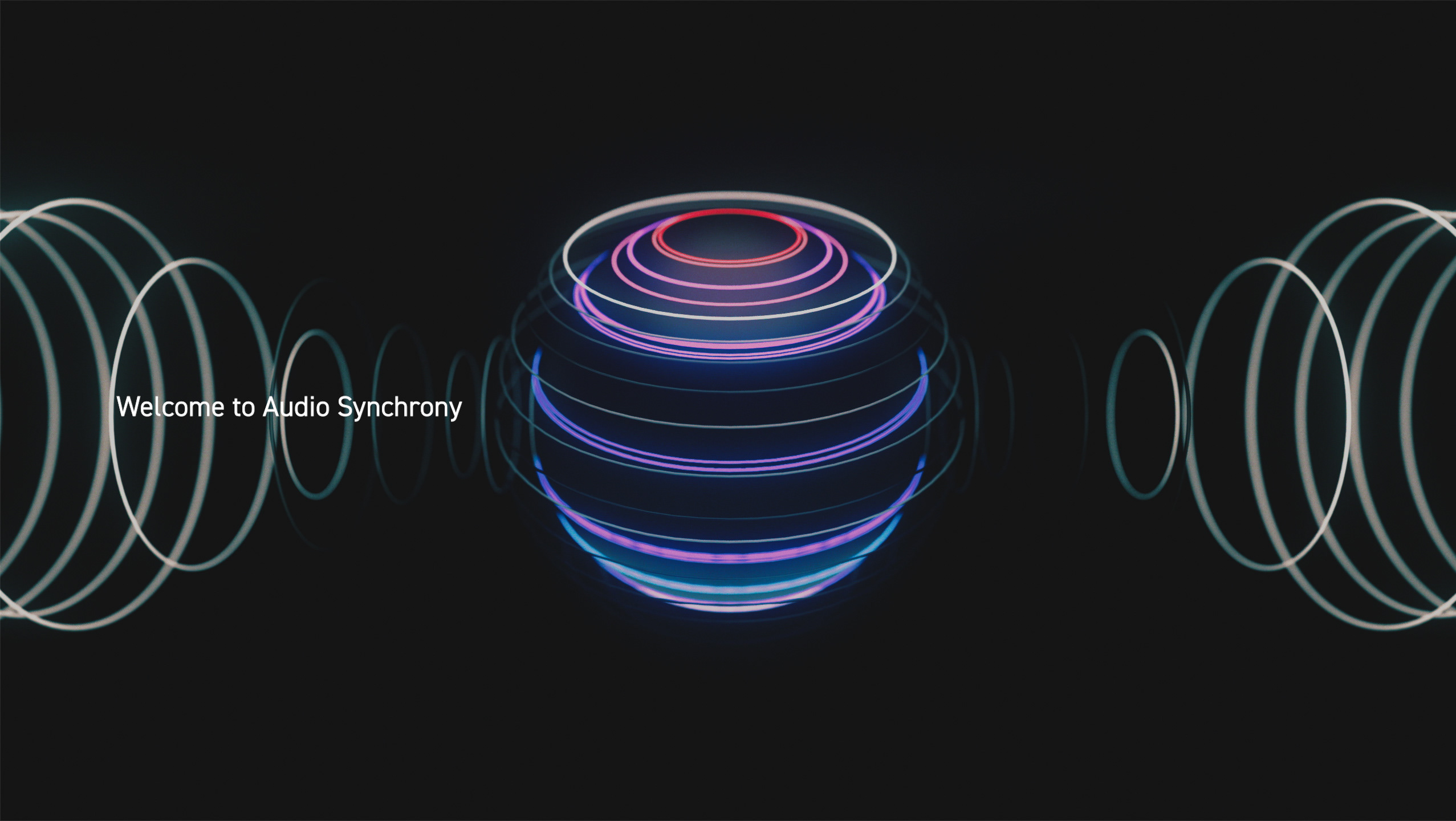
With audio-reactive design, it’s very common to use simple object scaling or point-based particle clouds to visualize a beat. My goal with this project was to take a different path: using raw sound data to completely rebuild and deform complex, high-density 3D meshes. I wanted to establish a robust framework where acoustic frequencies dictate geometric transformations, making sound feel like an actual physical force modifying a tangible surface.
Creative Strategy & Process
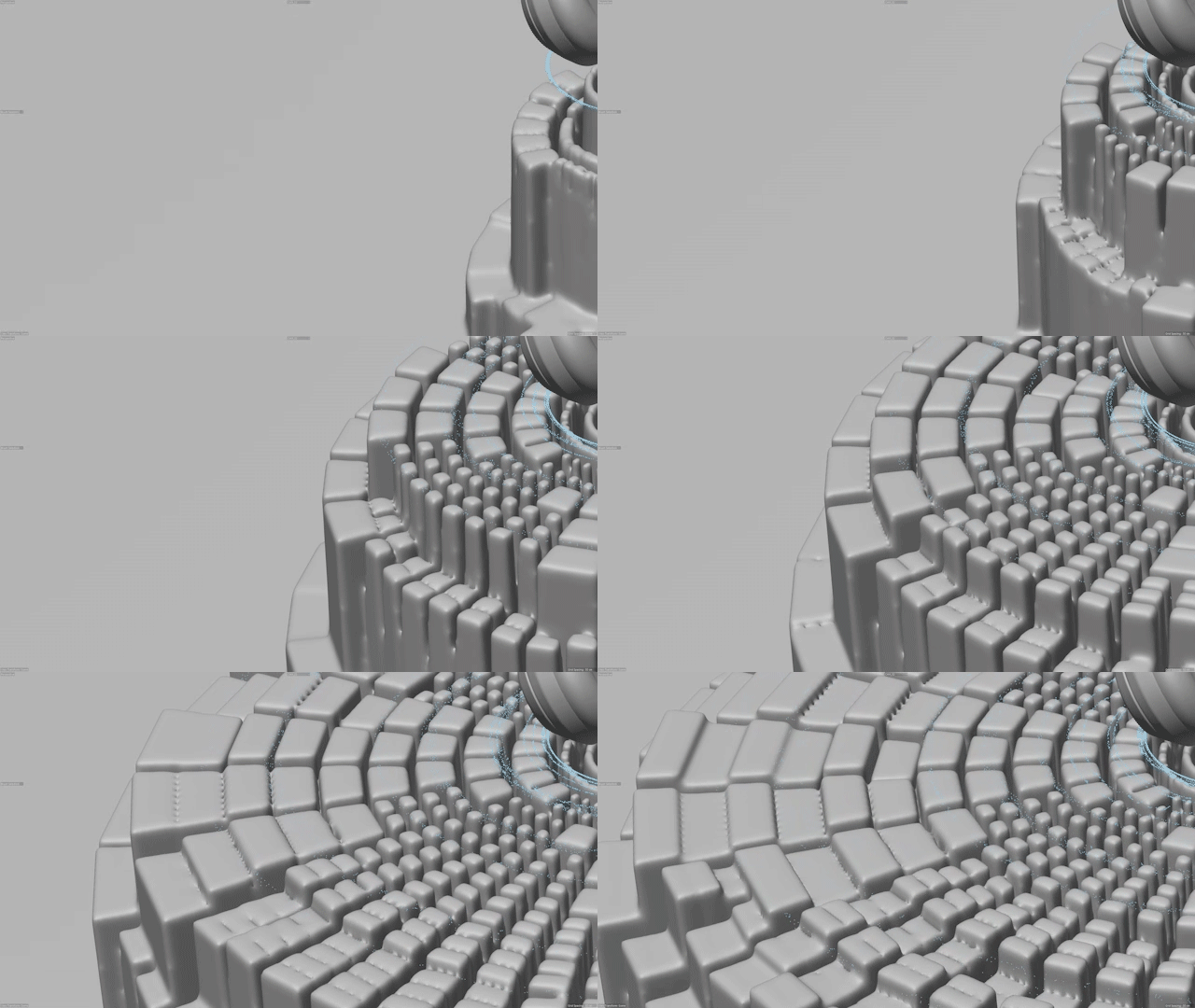
The major creative hurdle was ensuring the mesh deformation felt responsive without tearing the geometry apart into a messy, unreadable pile of polygons. When you tie audio directly to polygon extrusions, the result can easily become chaotic and distracting.
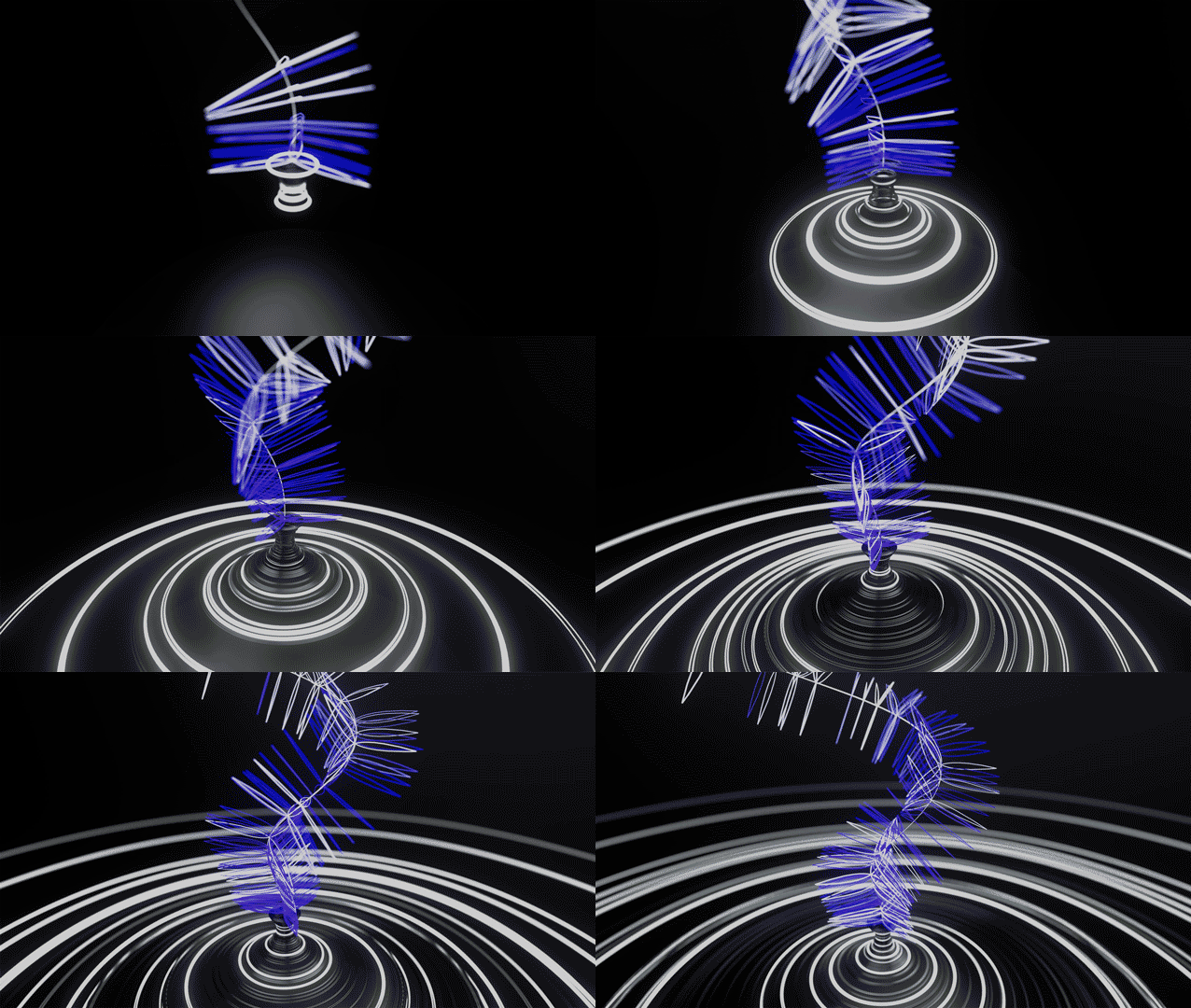
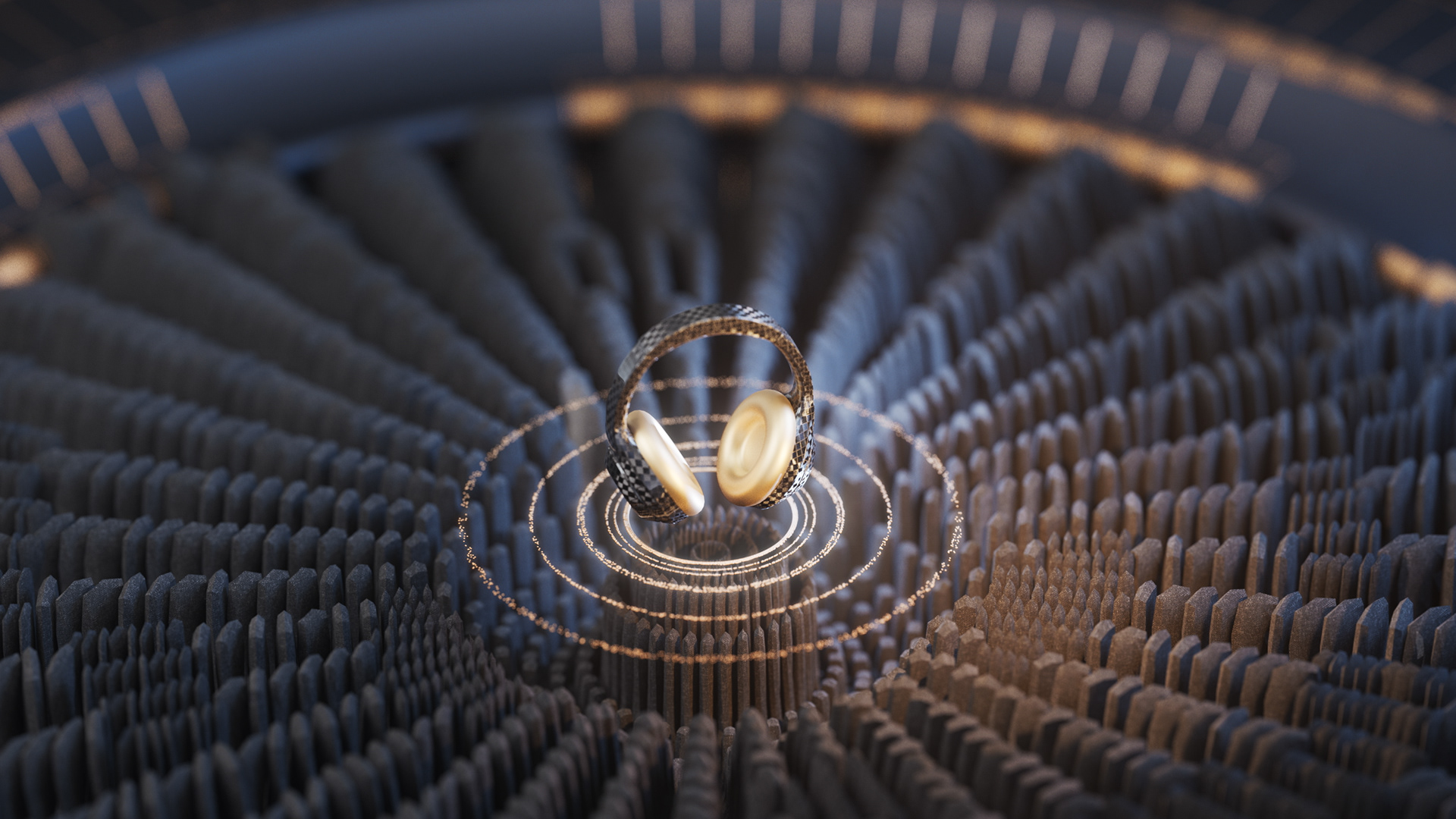
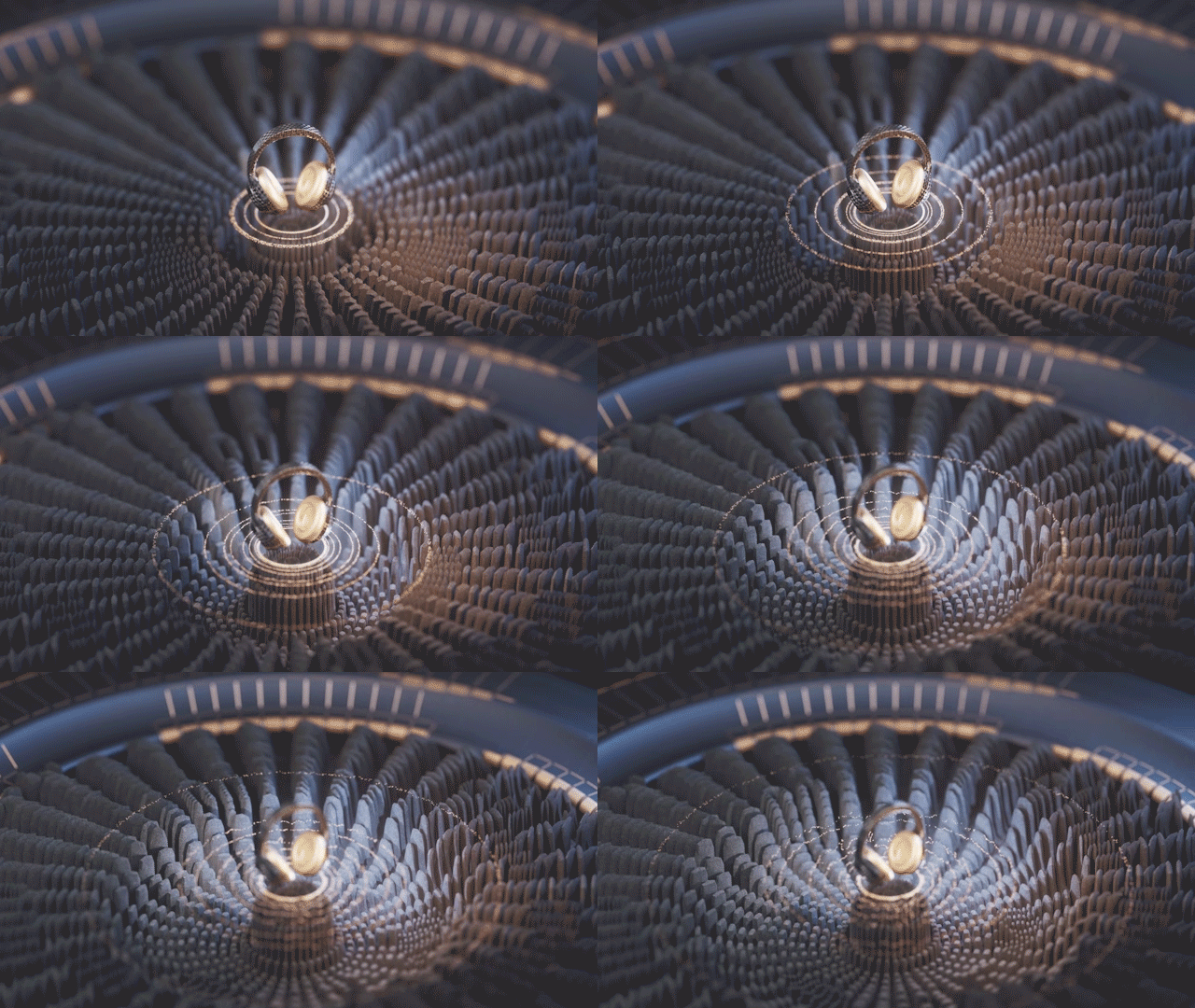
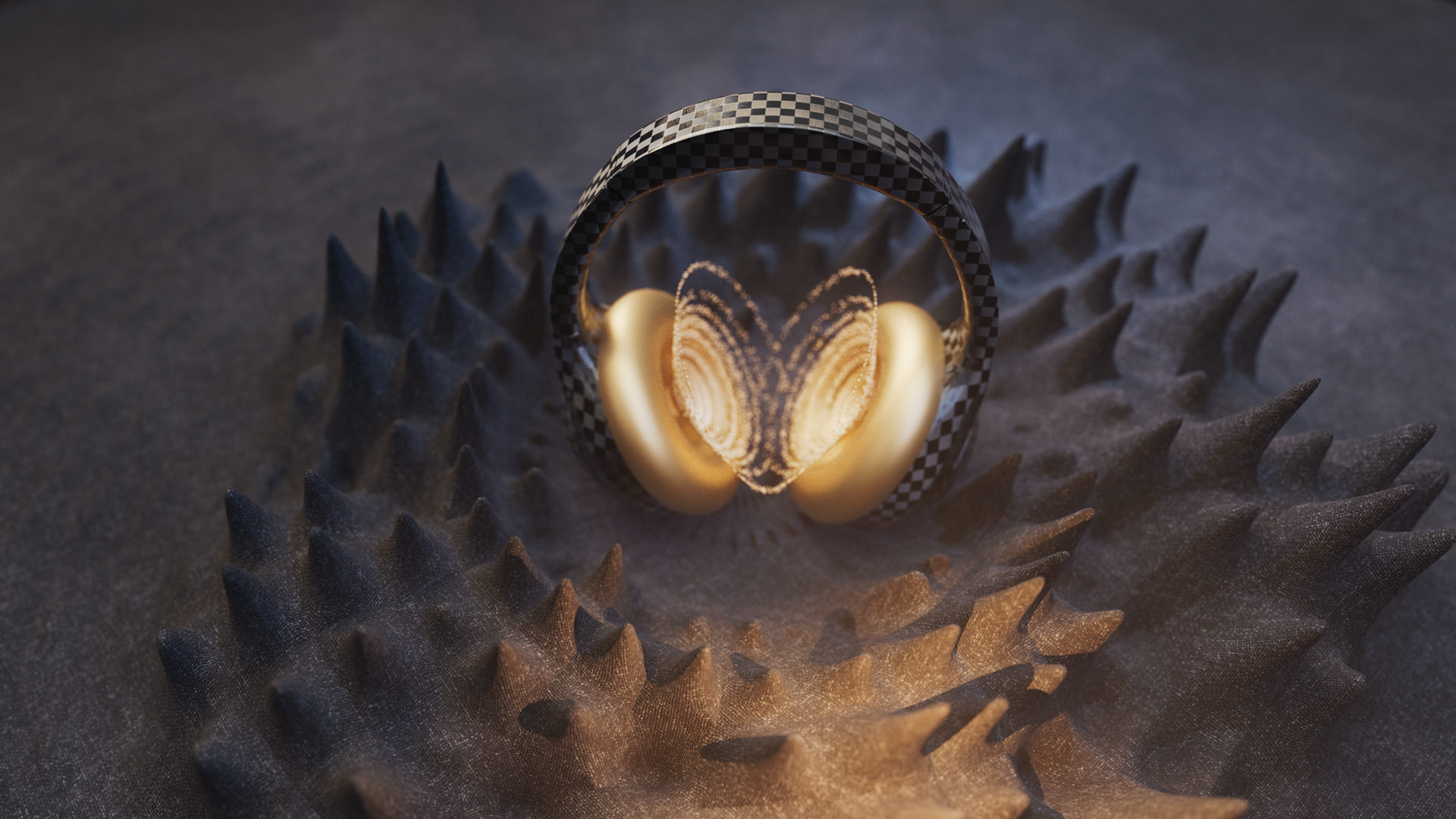
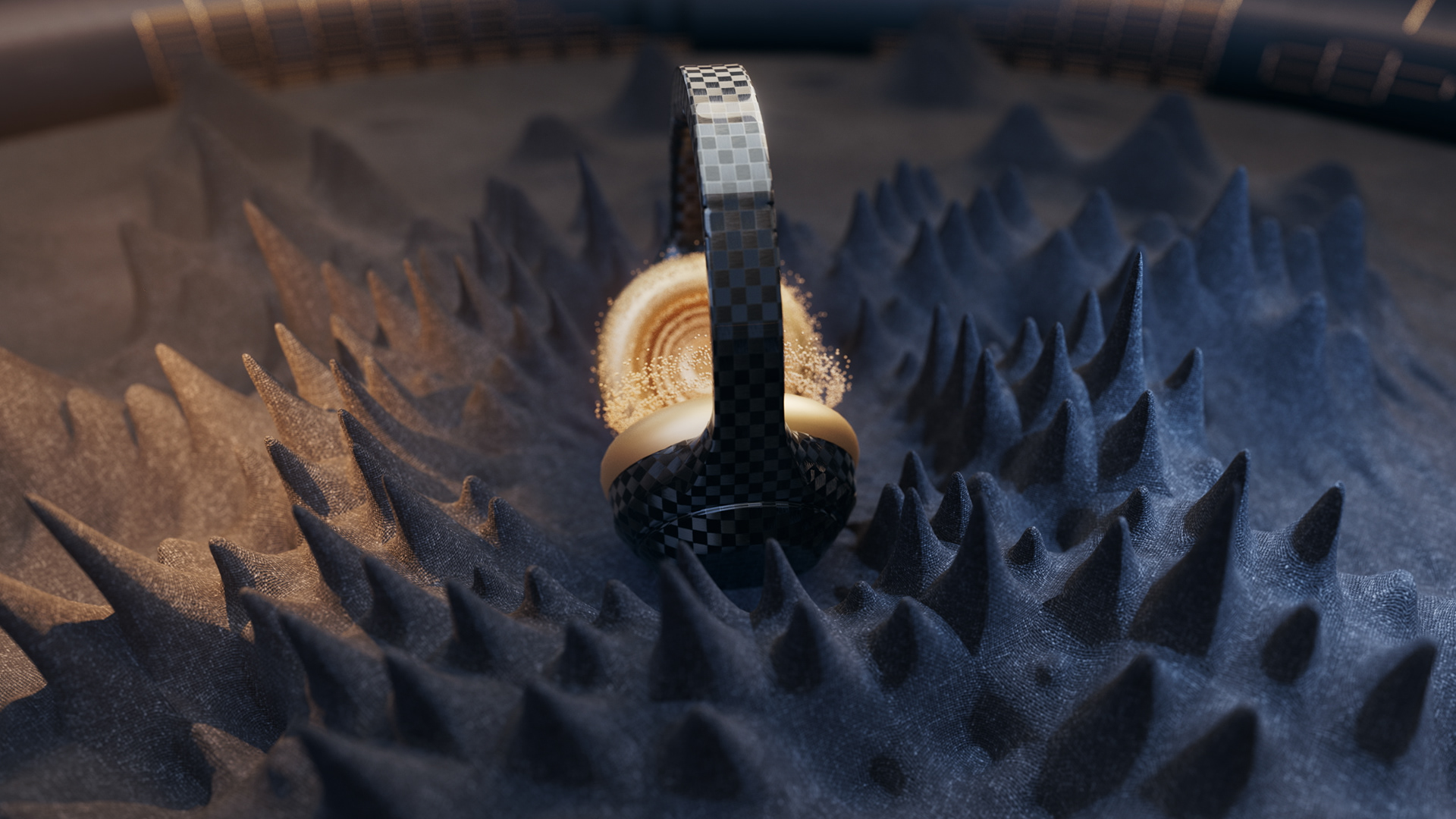
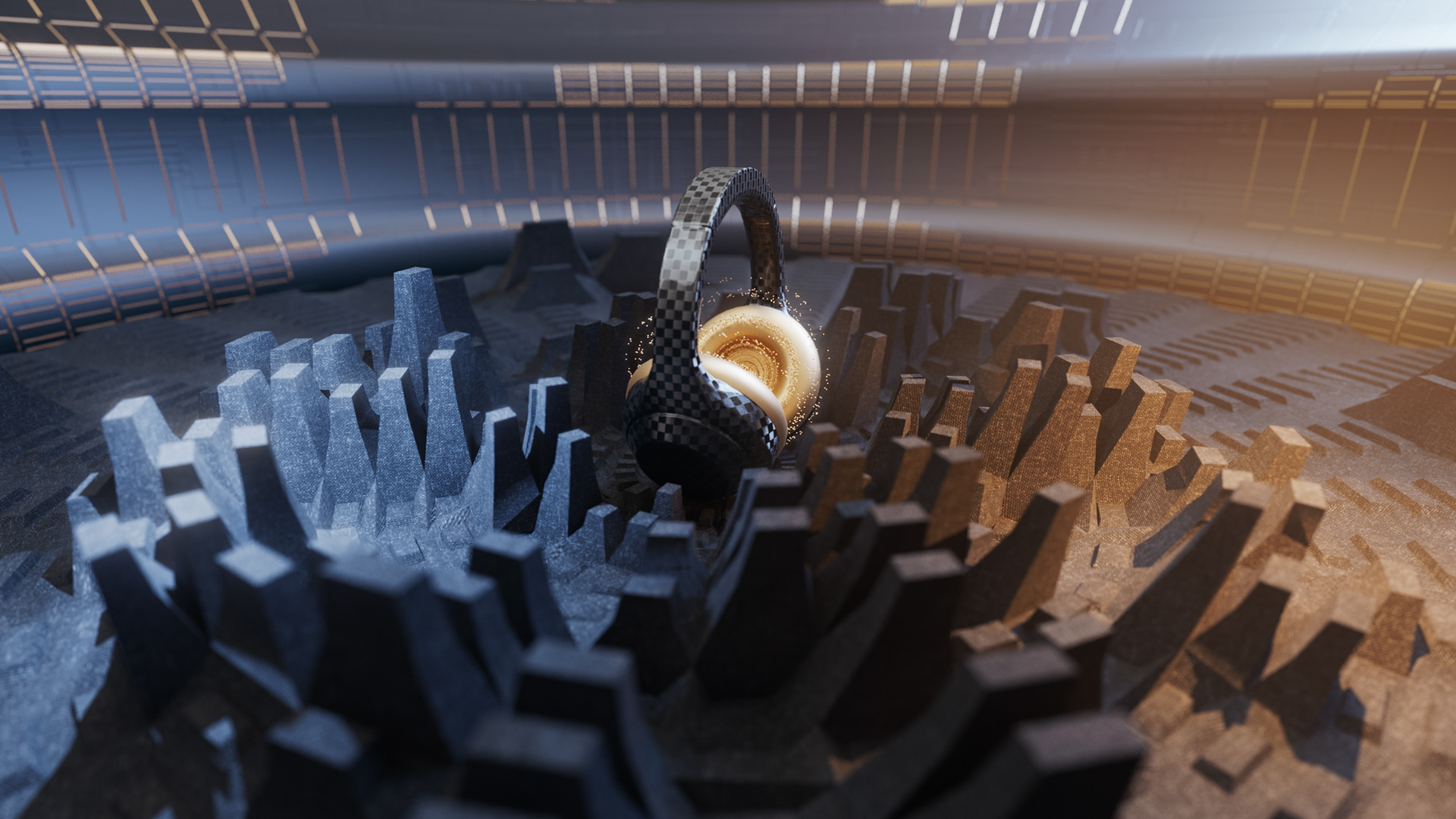
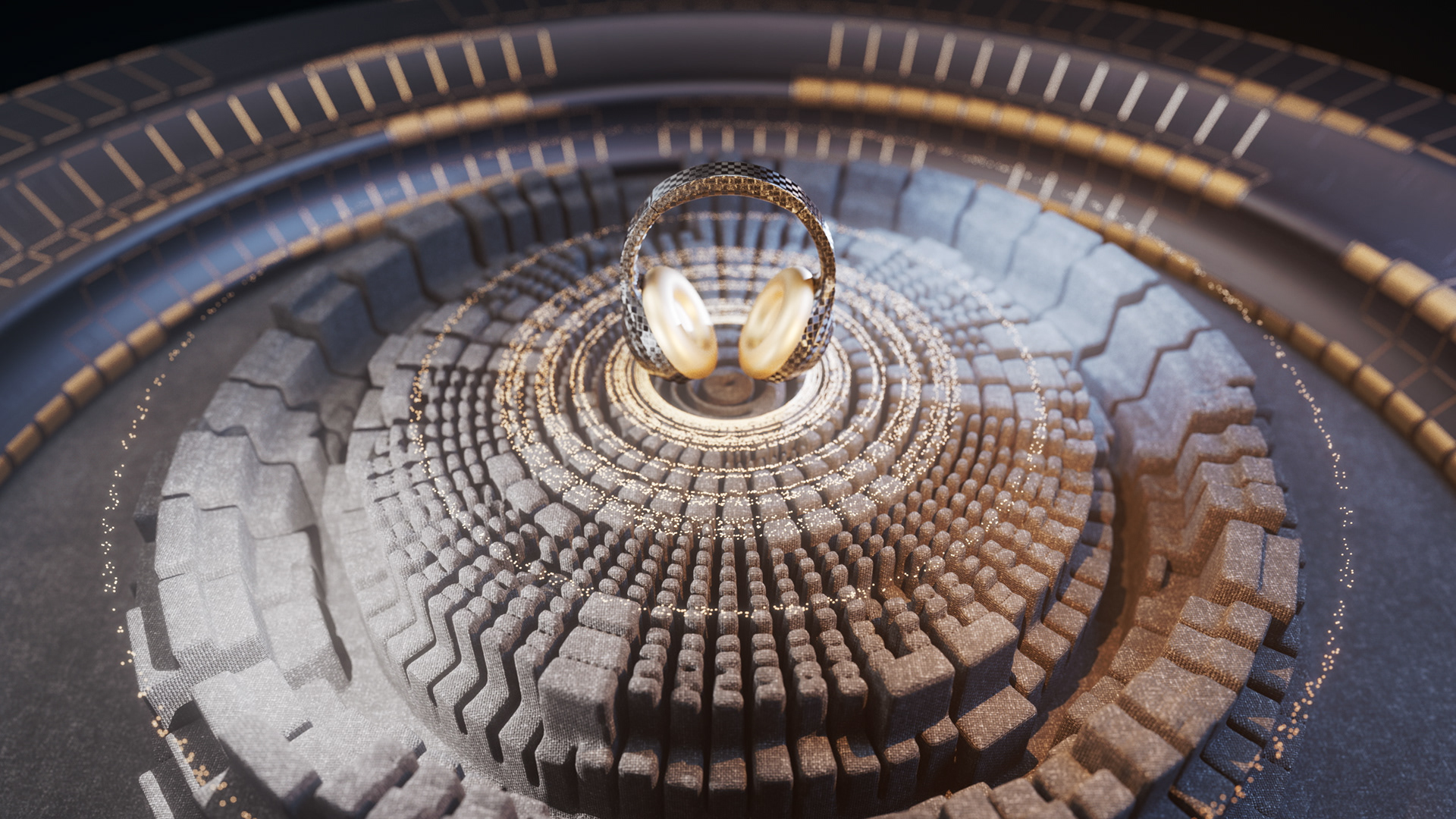
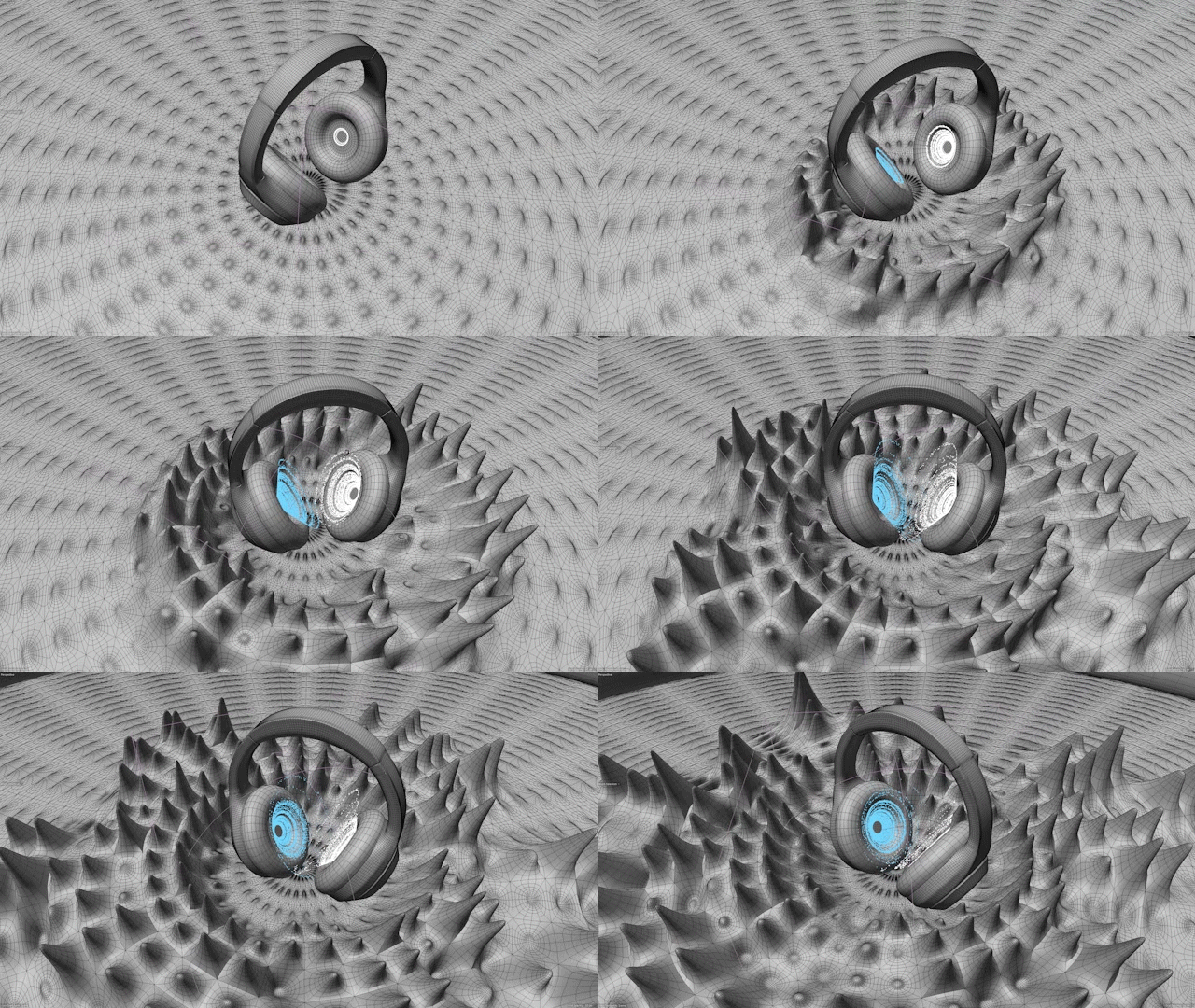
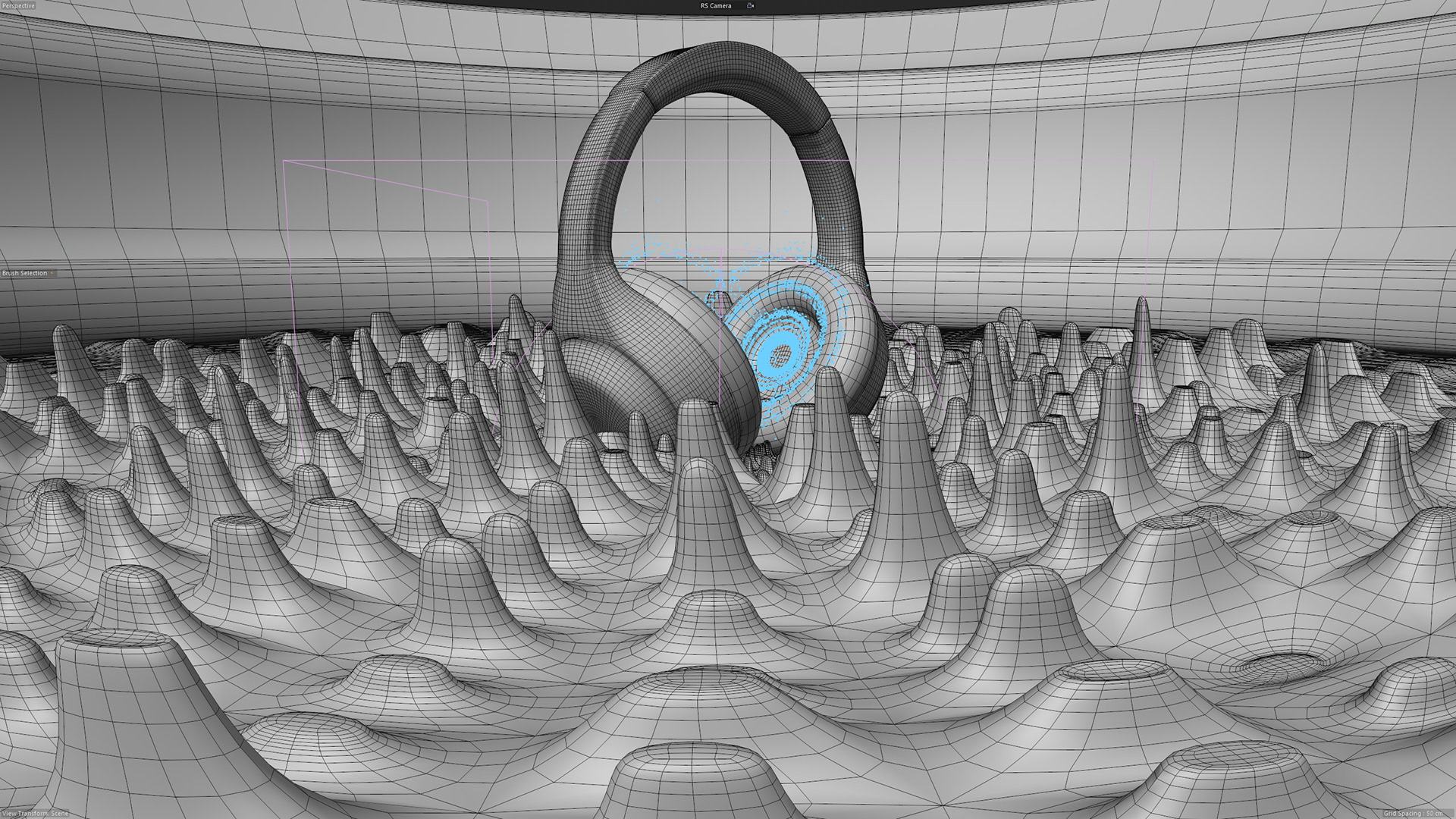
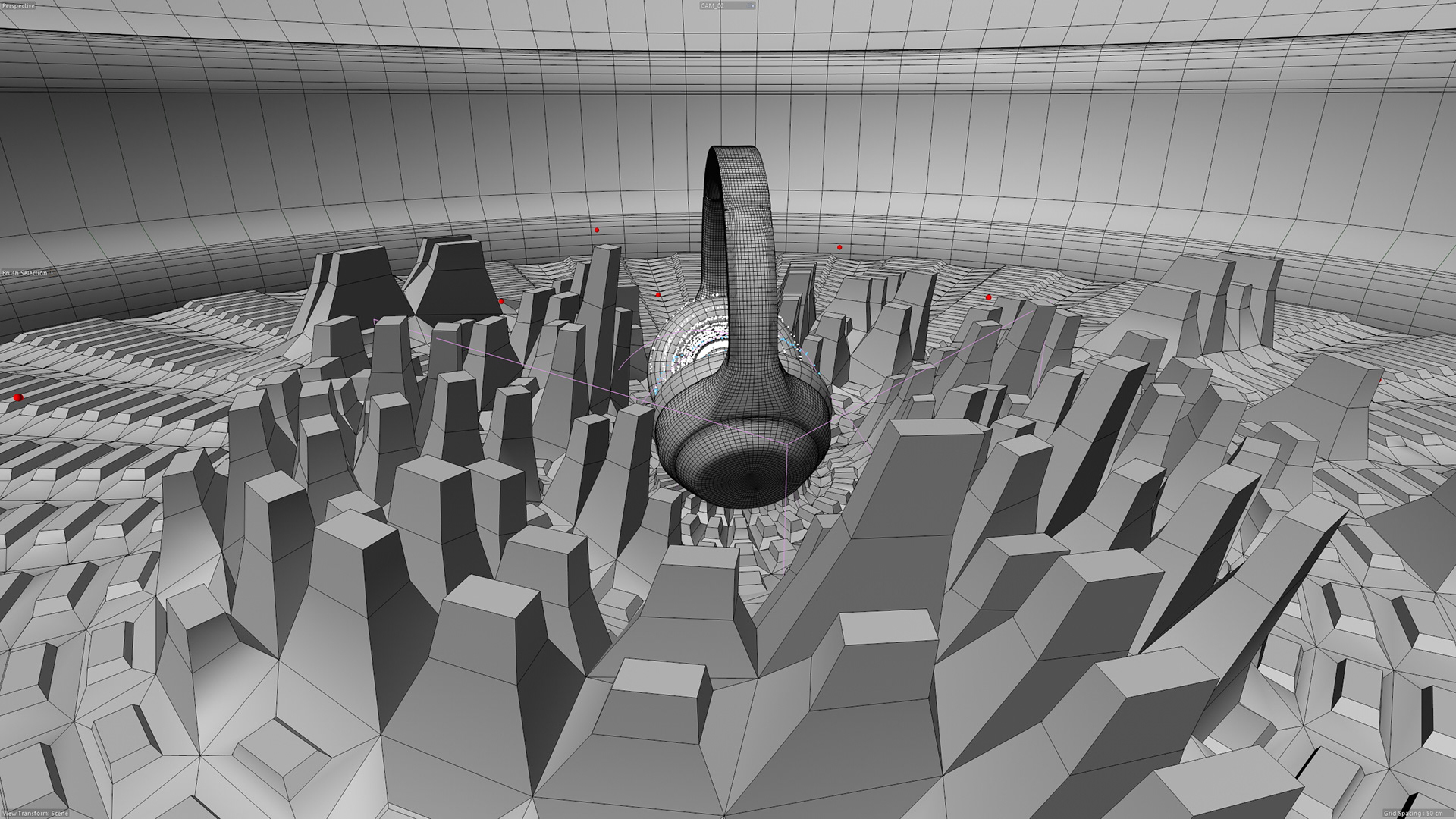
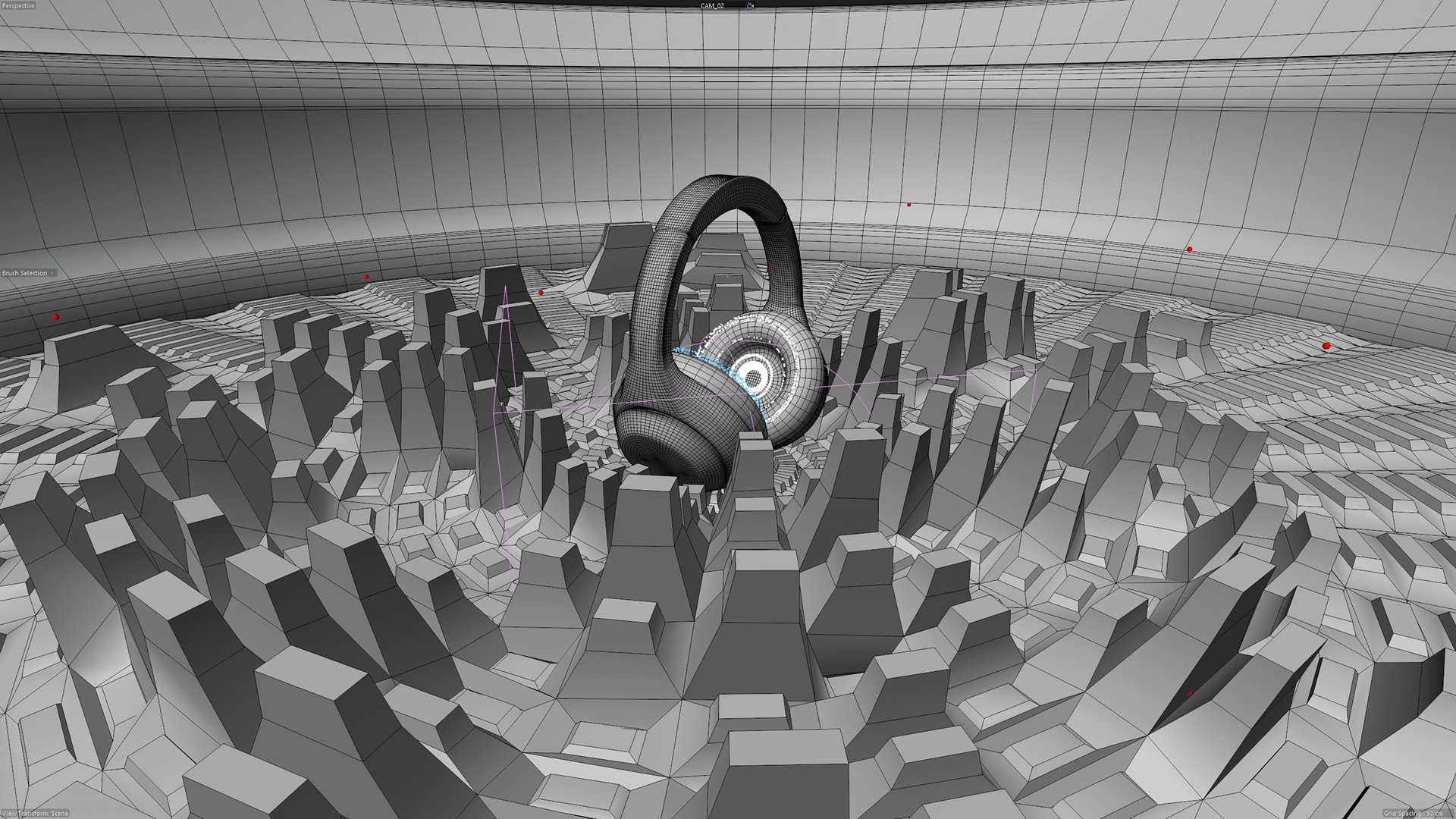
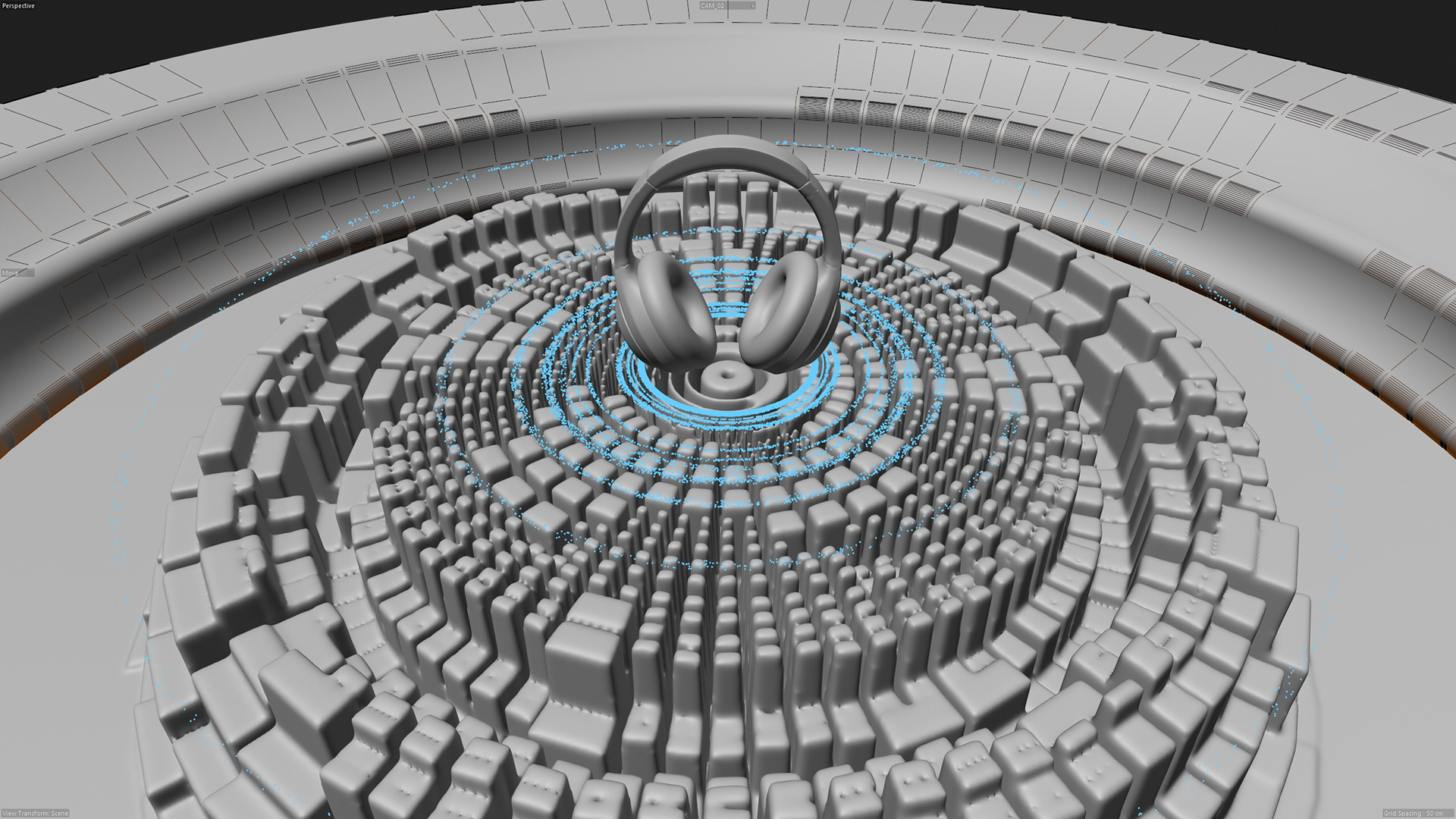
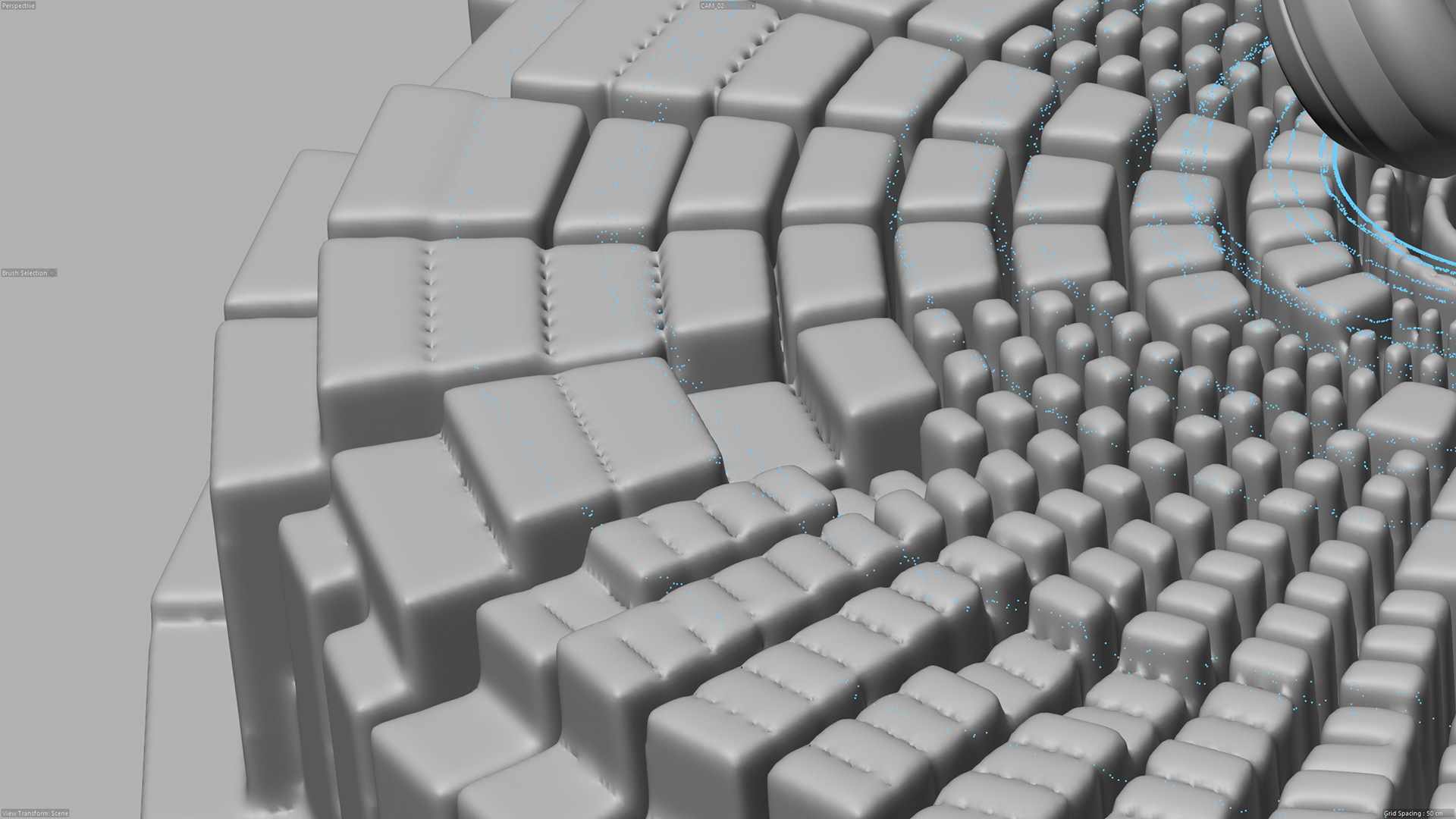
To solve this, I used a clean, high-end headphone model as a fixed anchor point in the center of the frame. This gave the viewer a familiar object to hold onto while the floor beneath it shifted procedurally. Instead of stickying to a single deformation method, I stress-tested the setup by running the data through multiple procedural modeling pipelines—isolating how separate frequencies could drive distinct polygon clusters cleanly and predictably.





Technical Execution
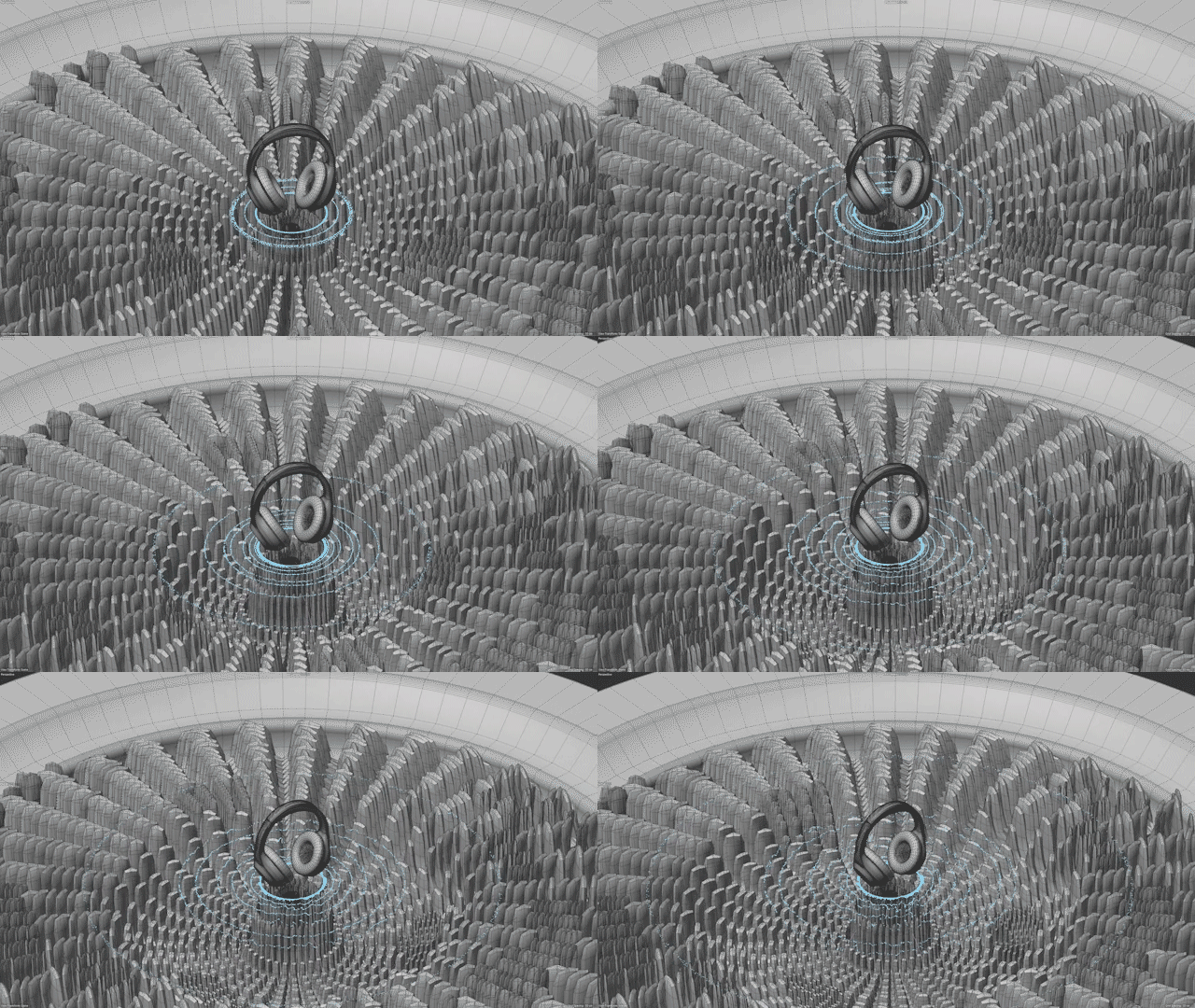
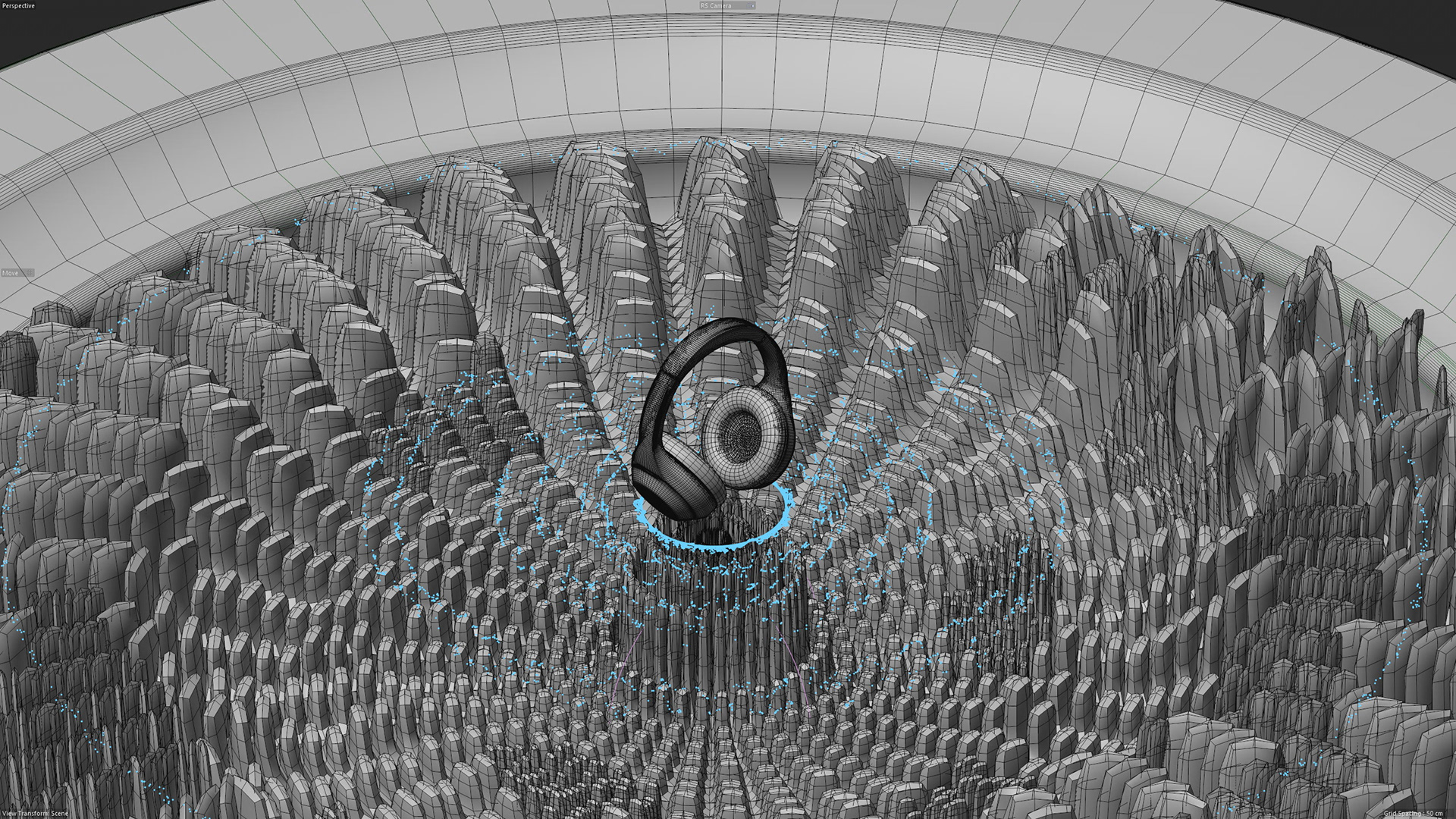
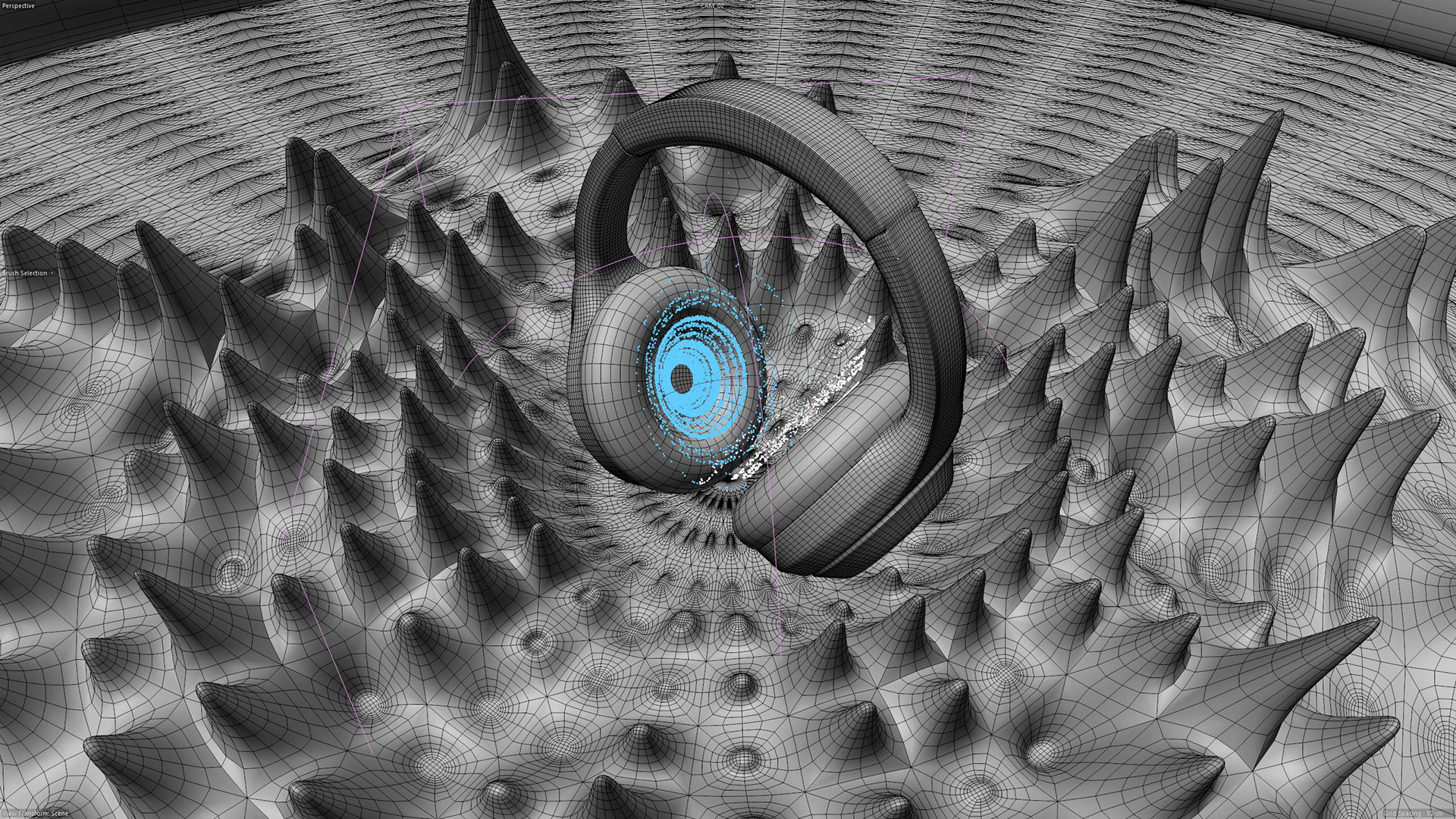
The backend of this system was built entirely in Cinema 4D using X-Particles and custom effector matrices. I used the raw audio data to control custom vertex maps, which acted as masks for specific geometric operations.
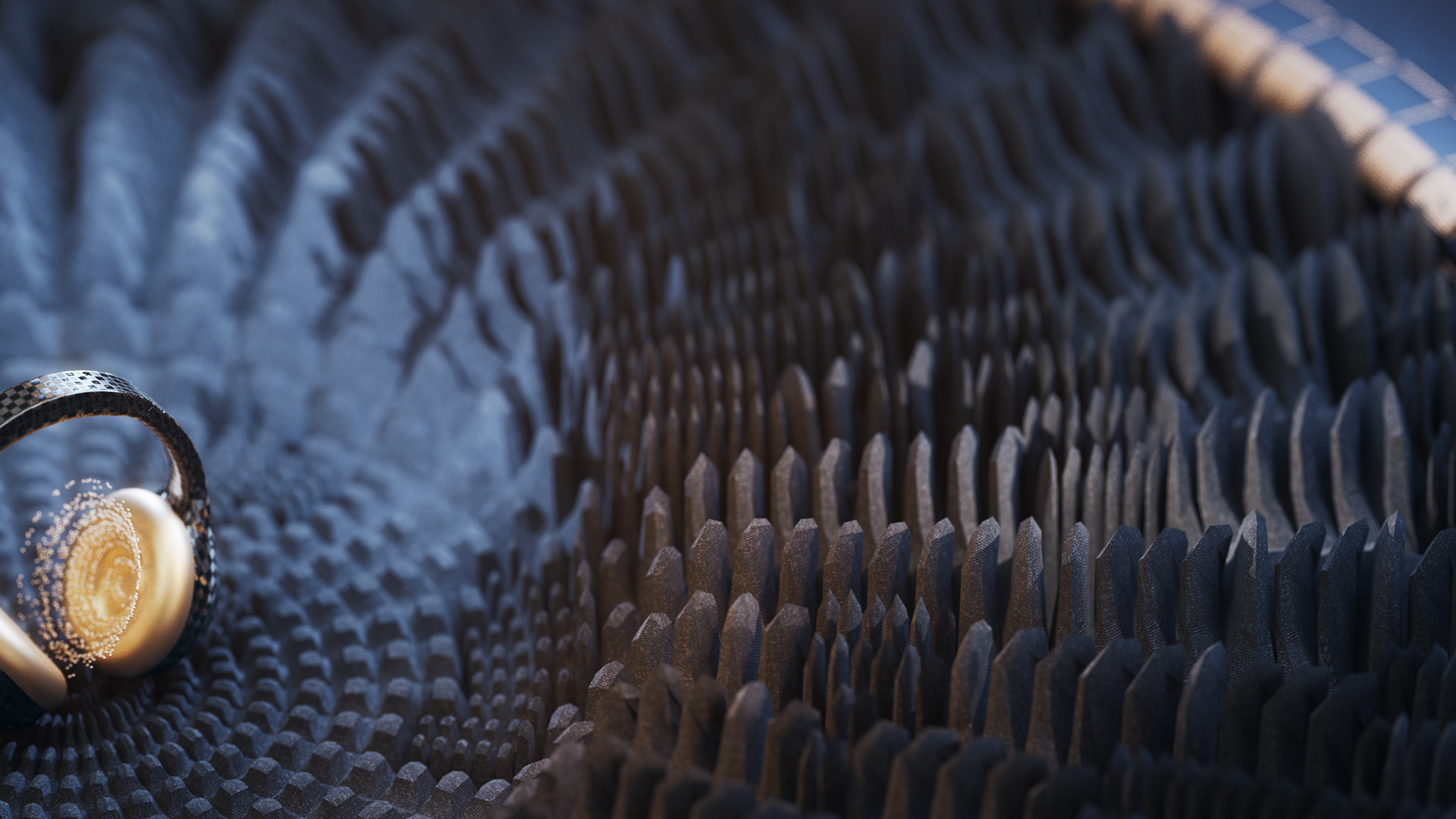
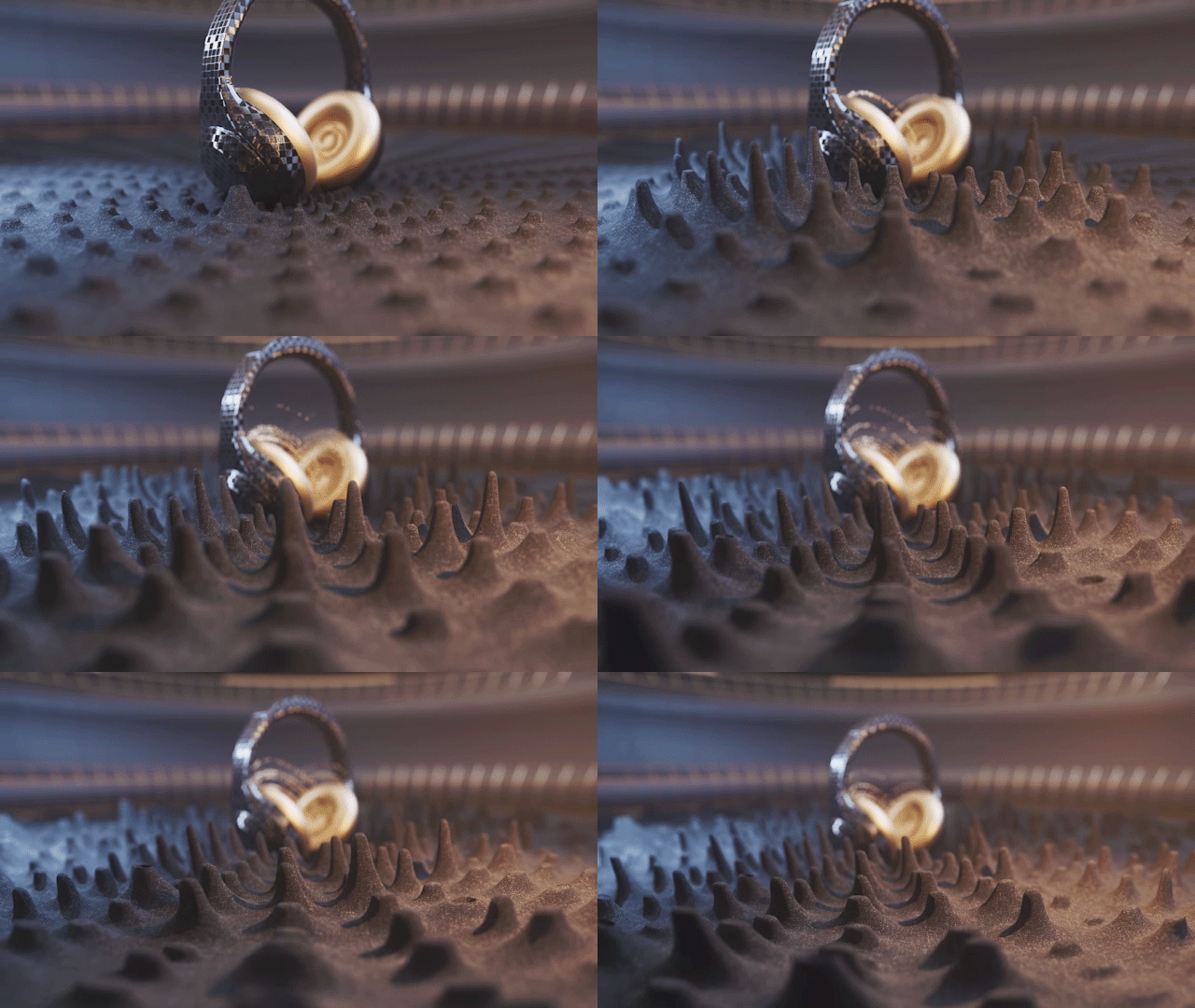
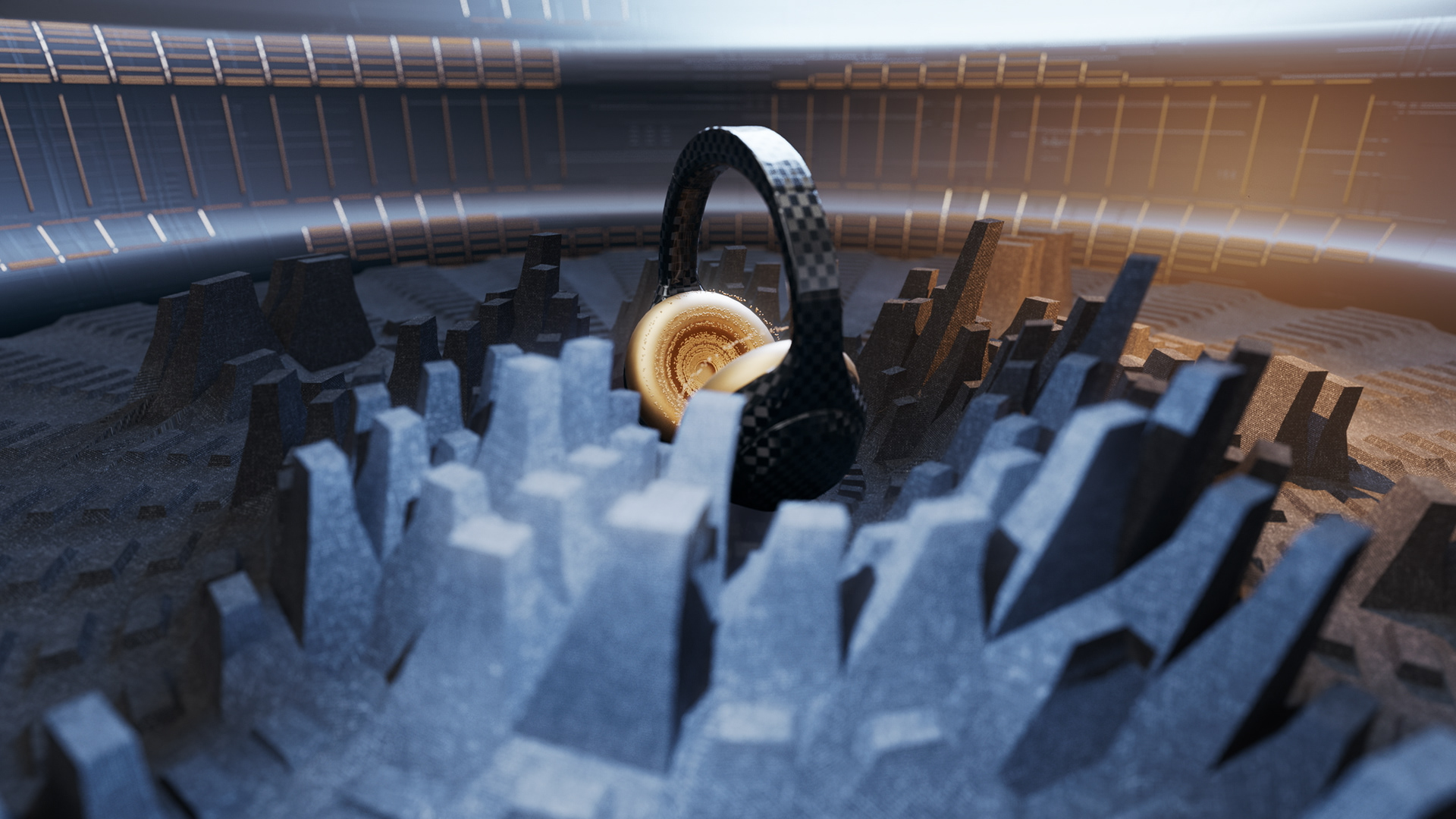
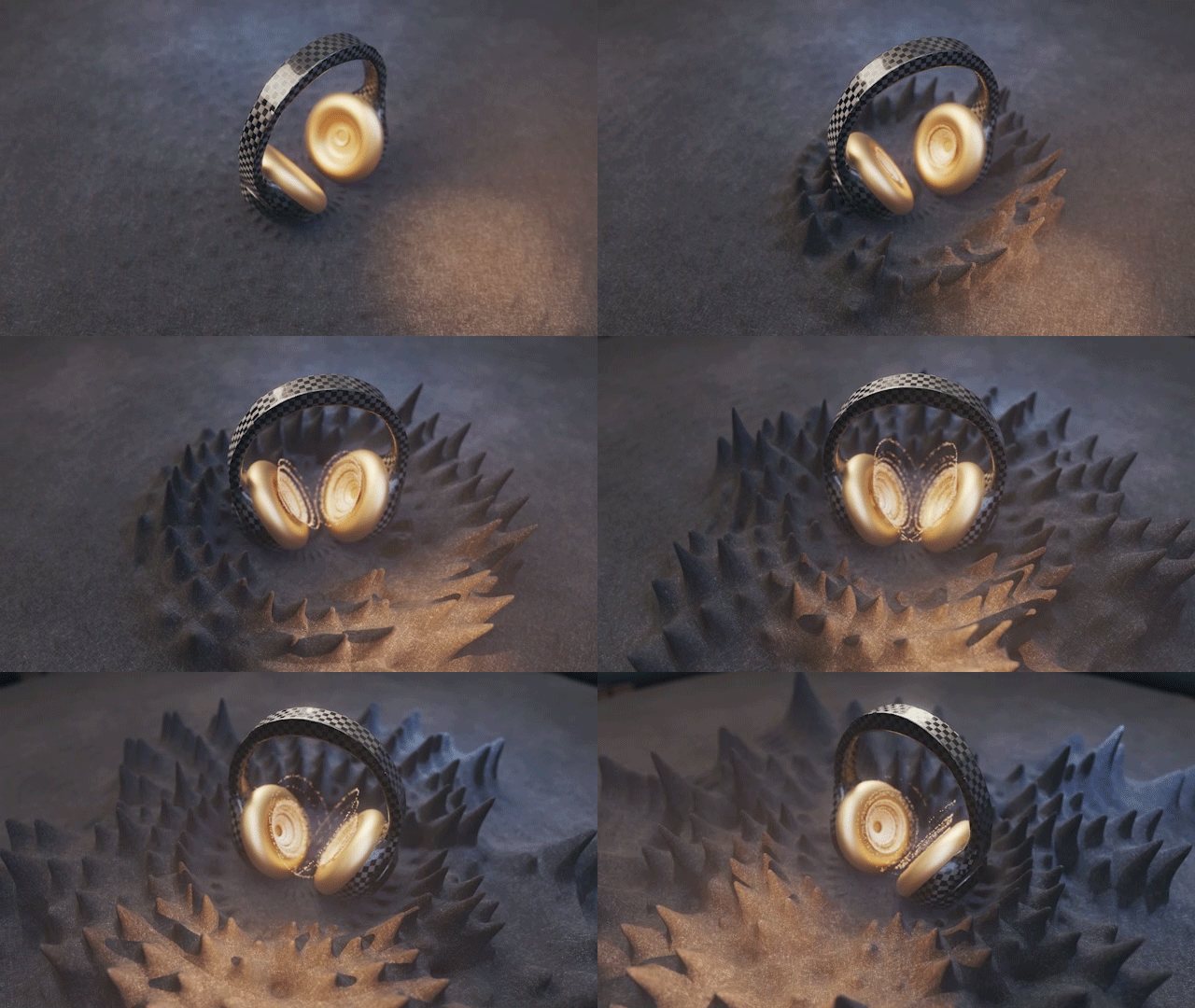
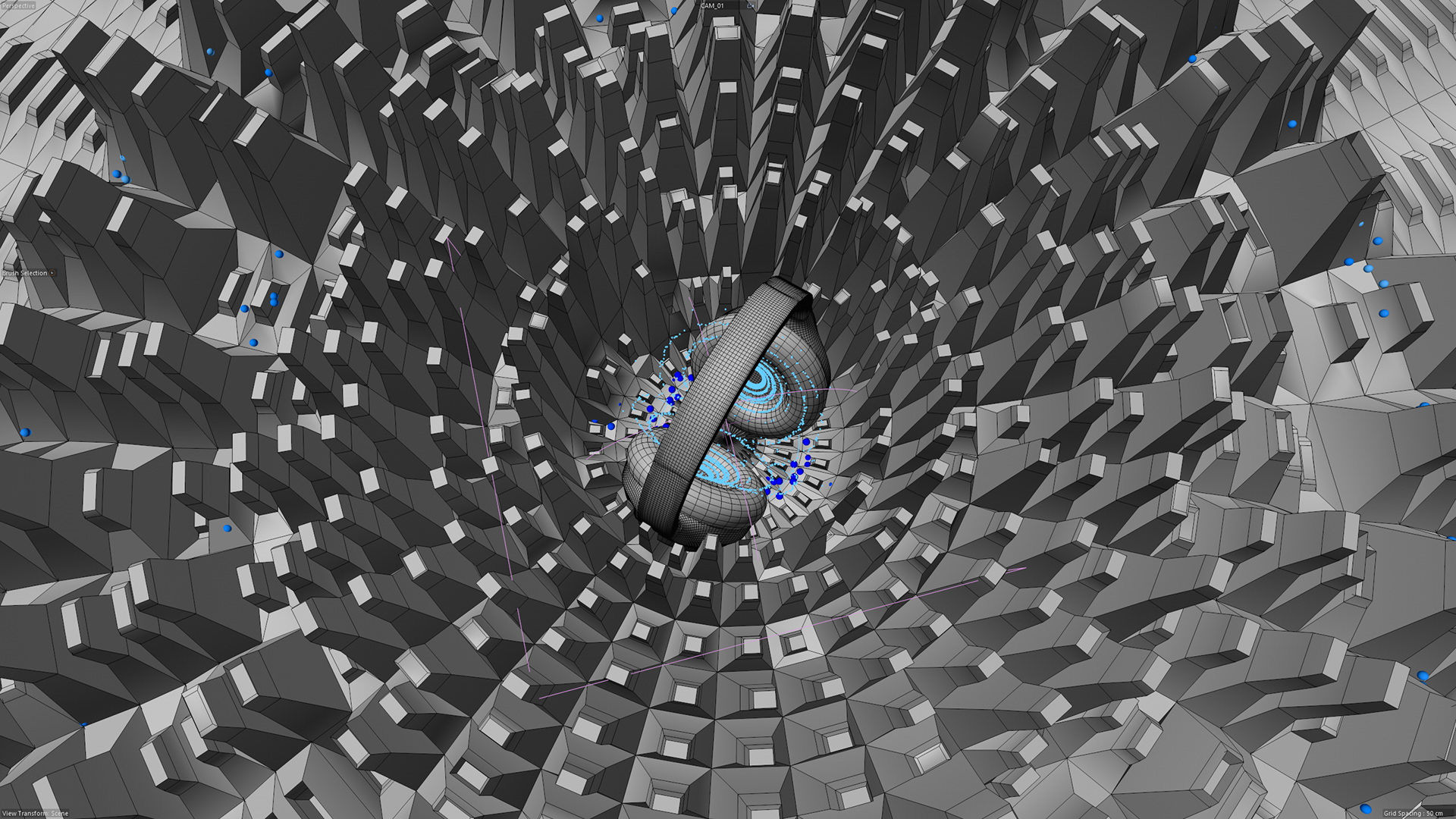
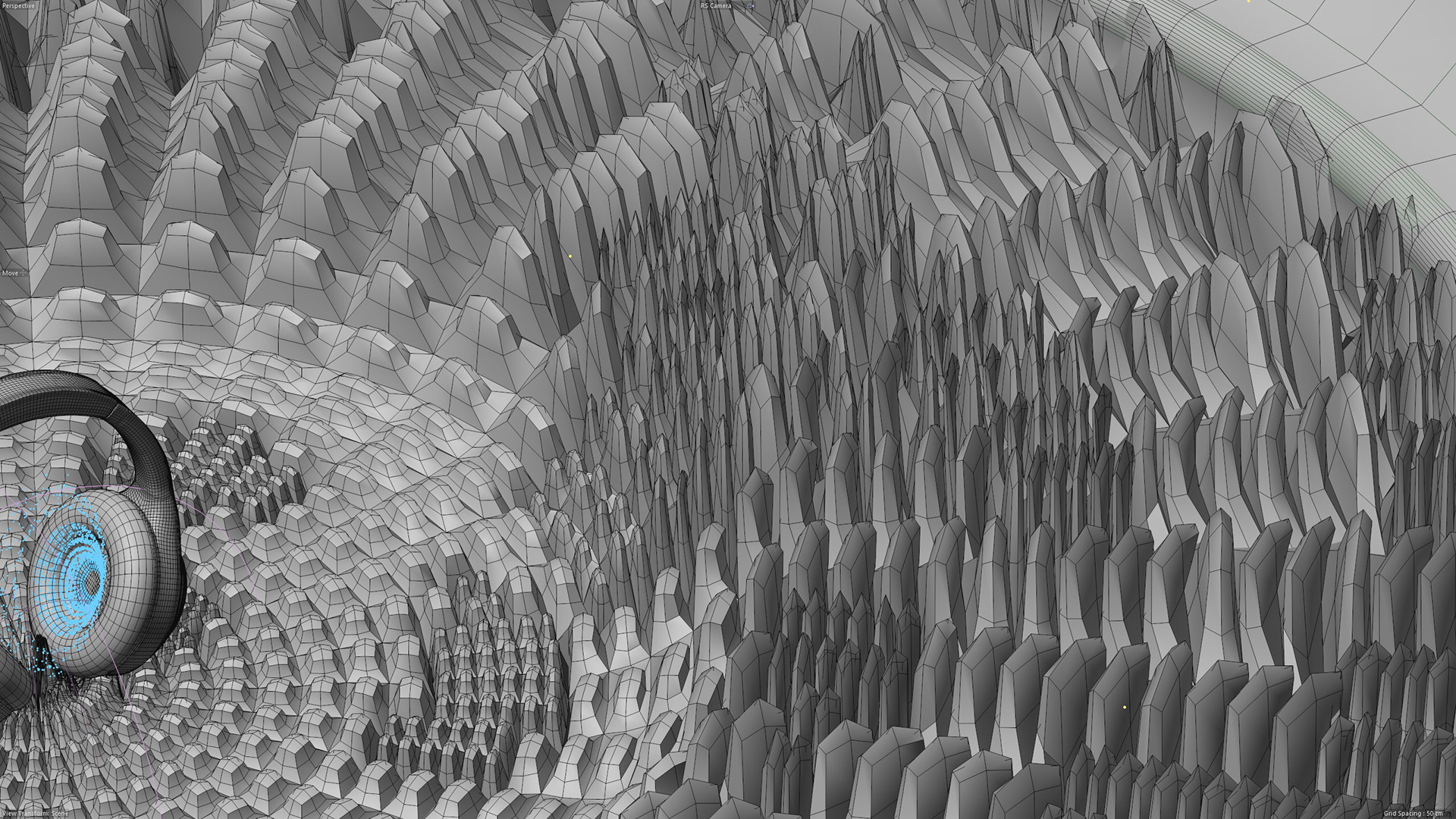
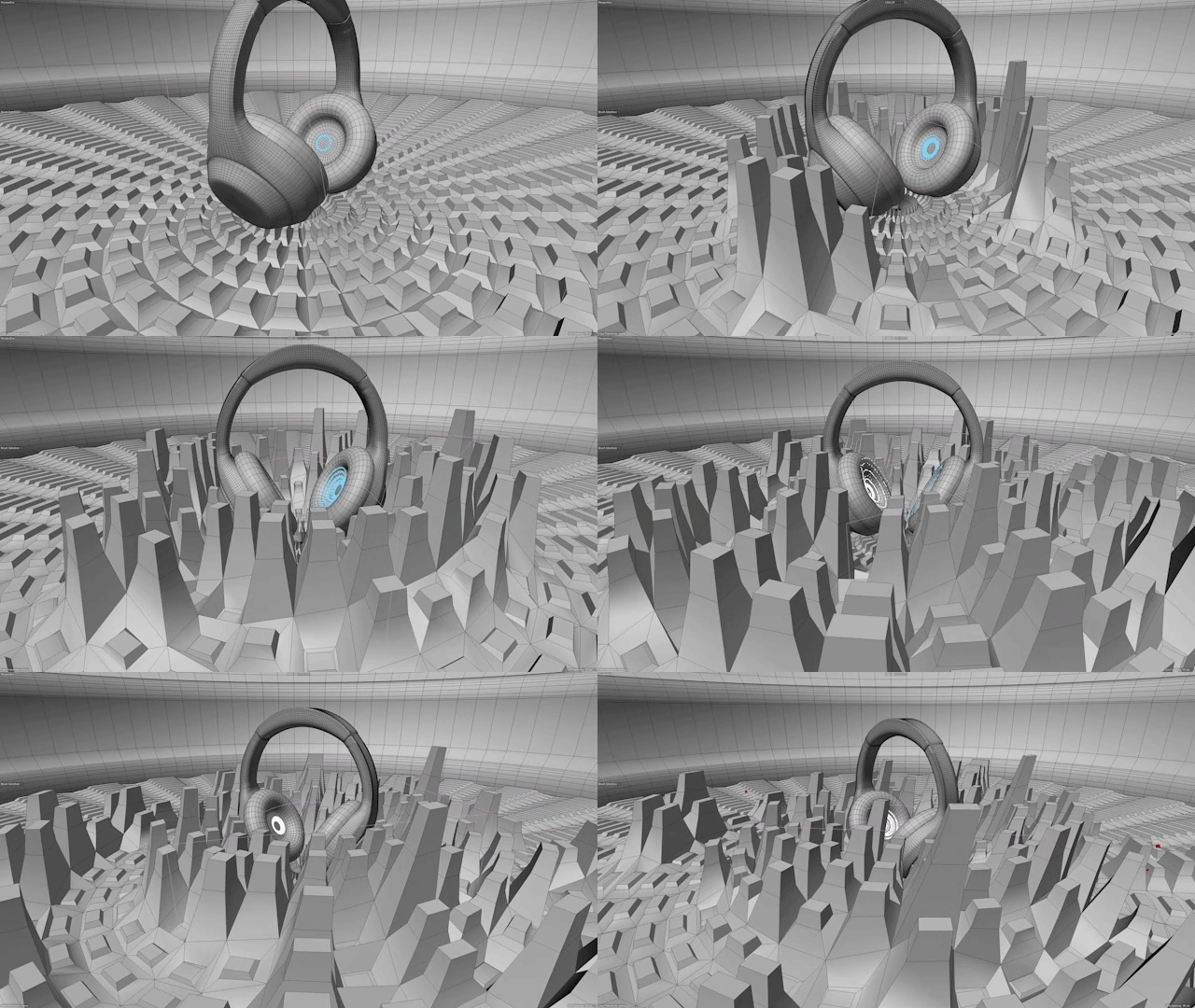
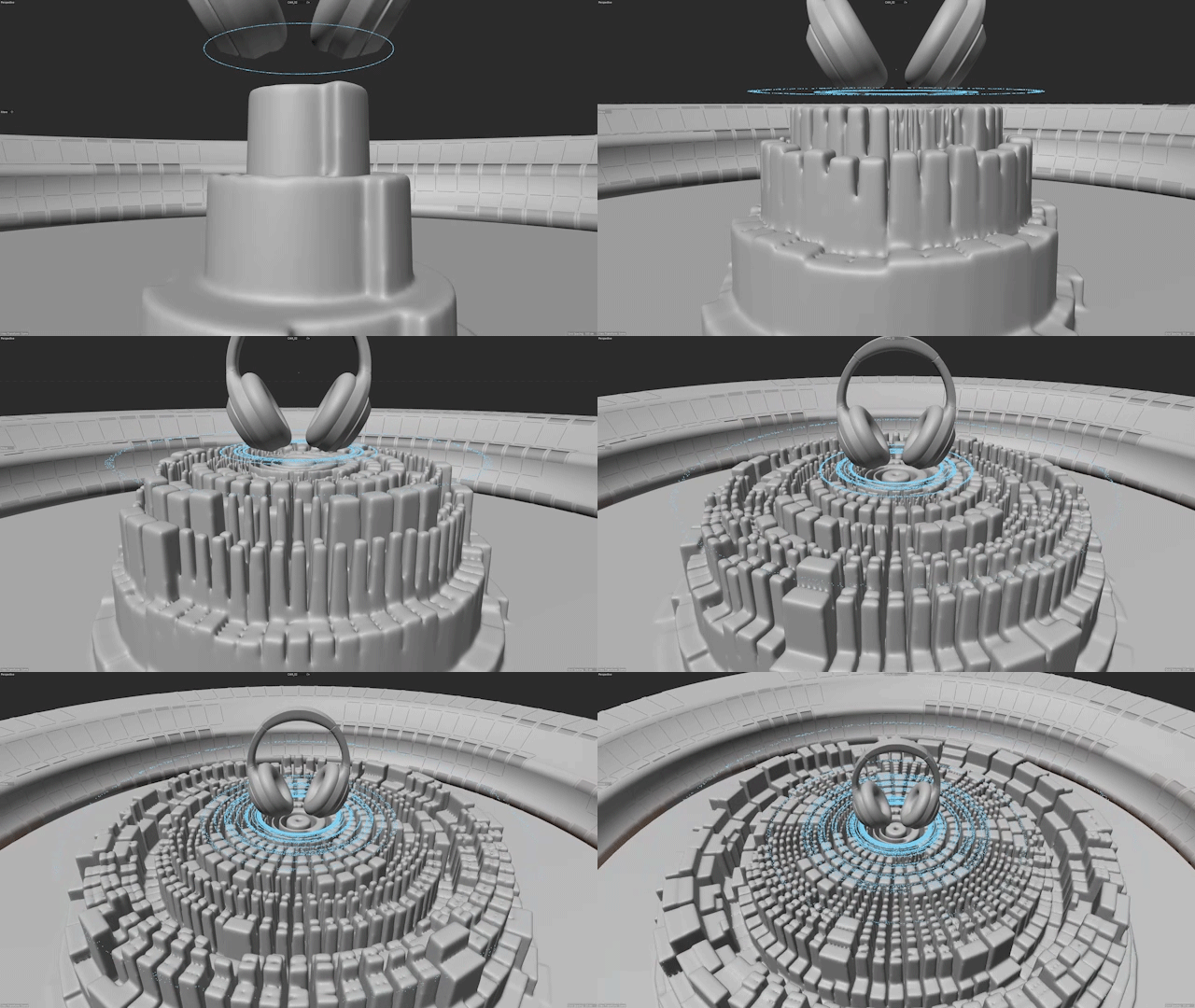
During the R&D phase, I mapped the sound frequencies to trigger varied technical behaviors across the surface. Low frequencies drove heavy Displacer waves and PolyFX structural shifts, while the sharper mid-tones regulated MoExtrude spikes and mtlInset operations.
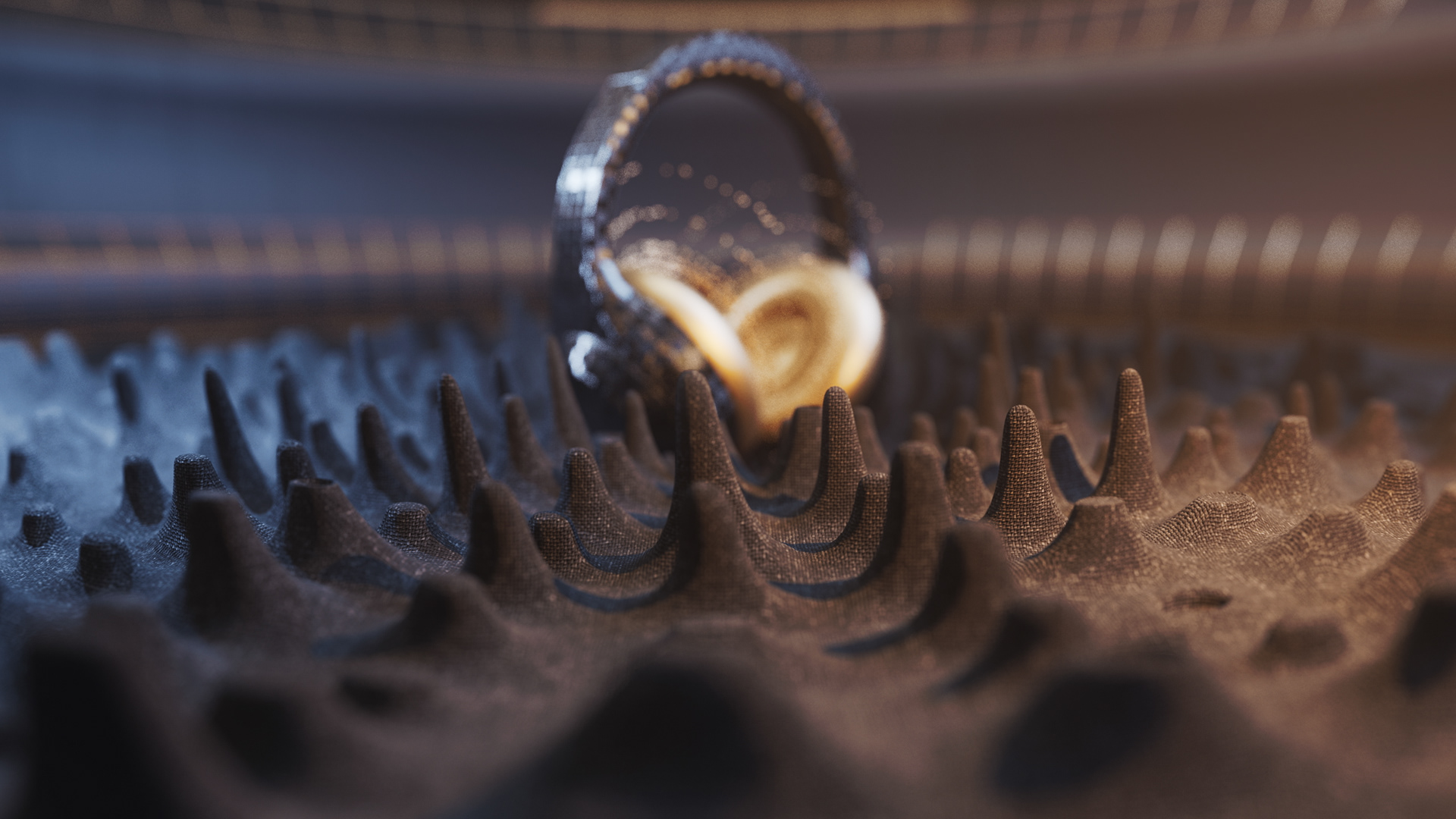
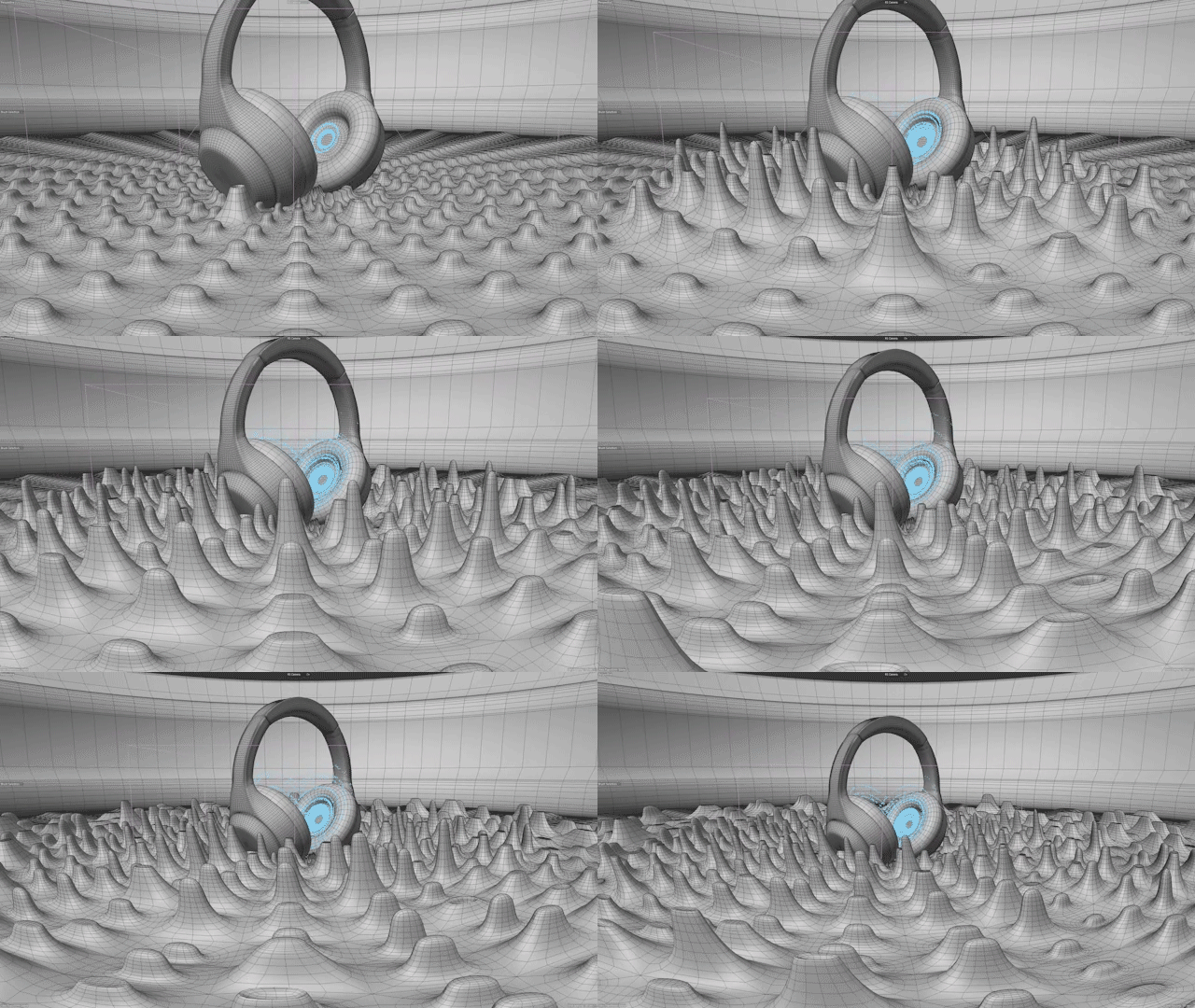
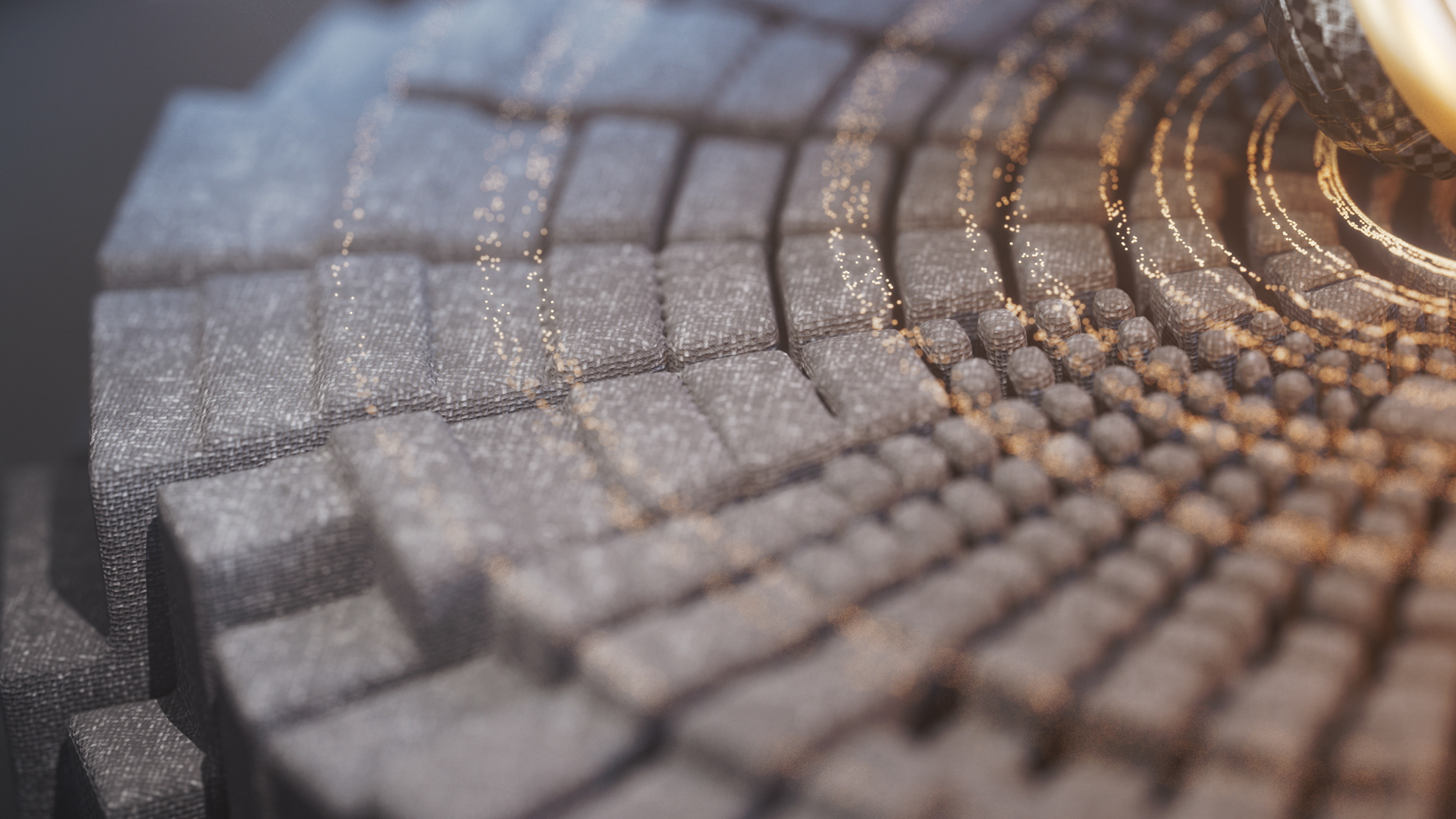
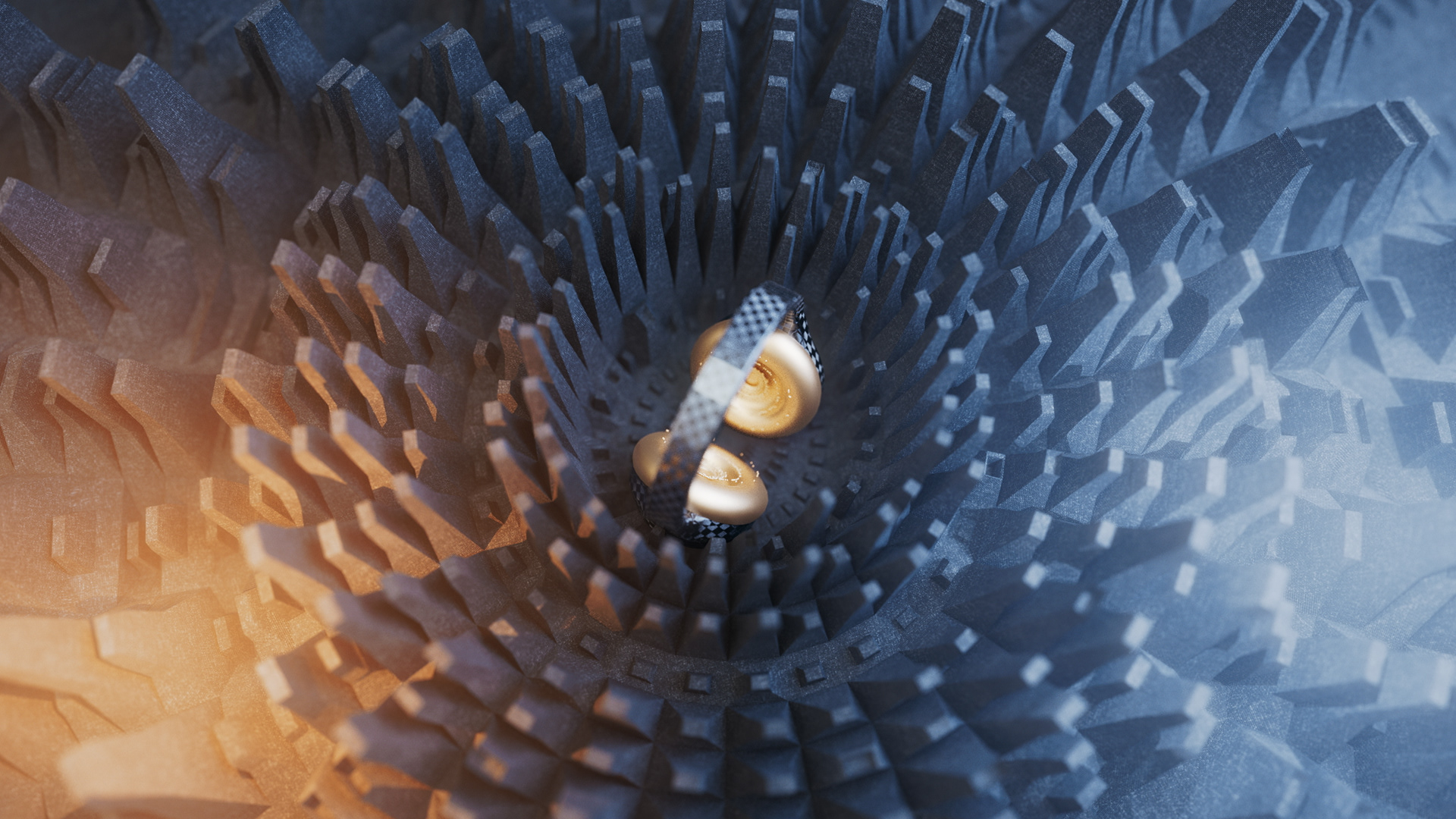
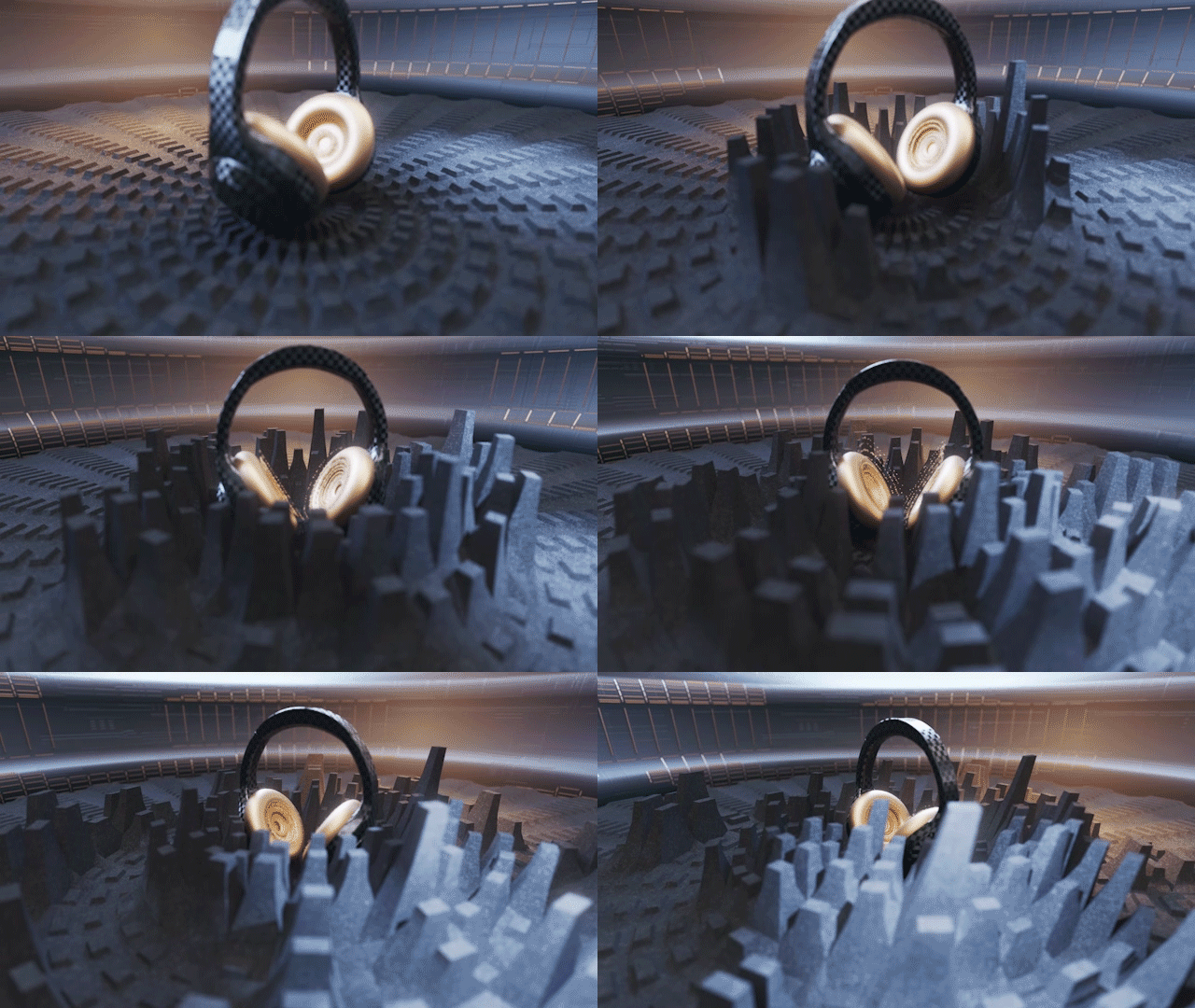
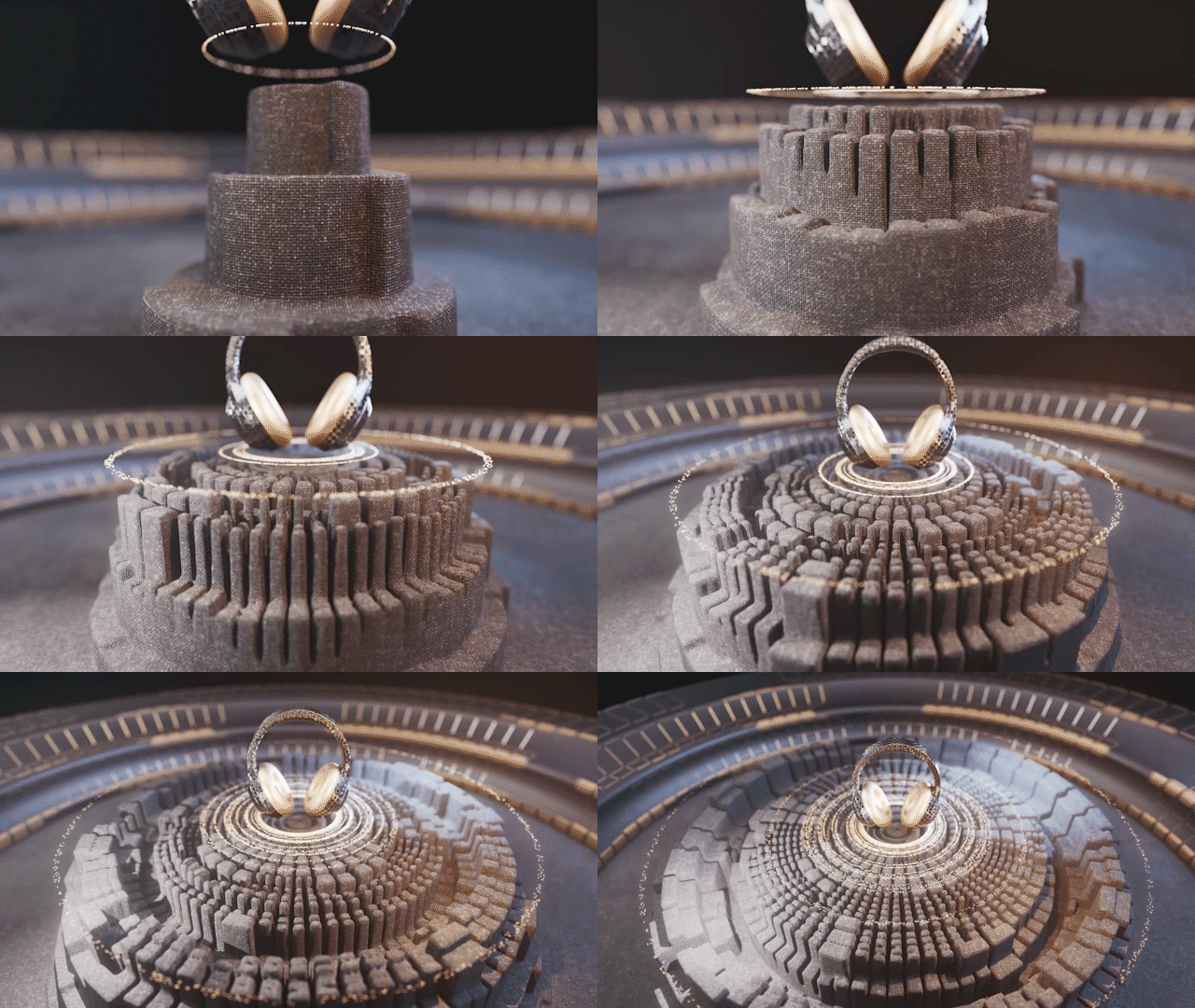
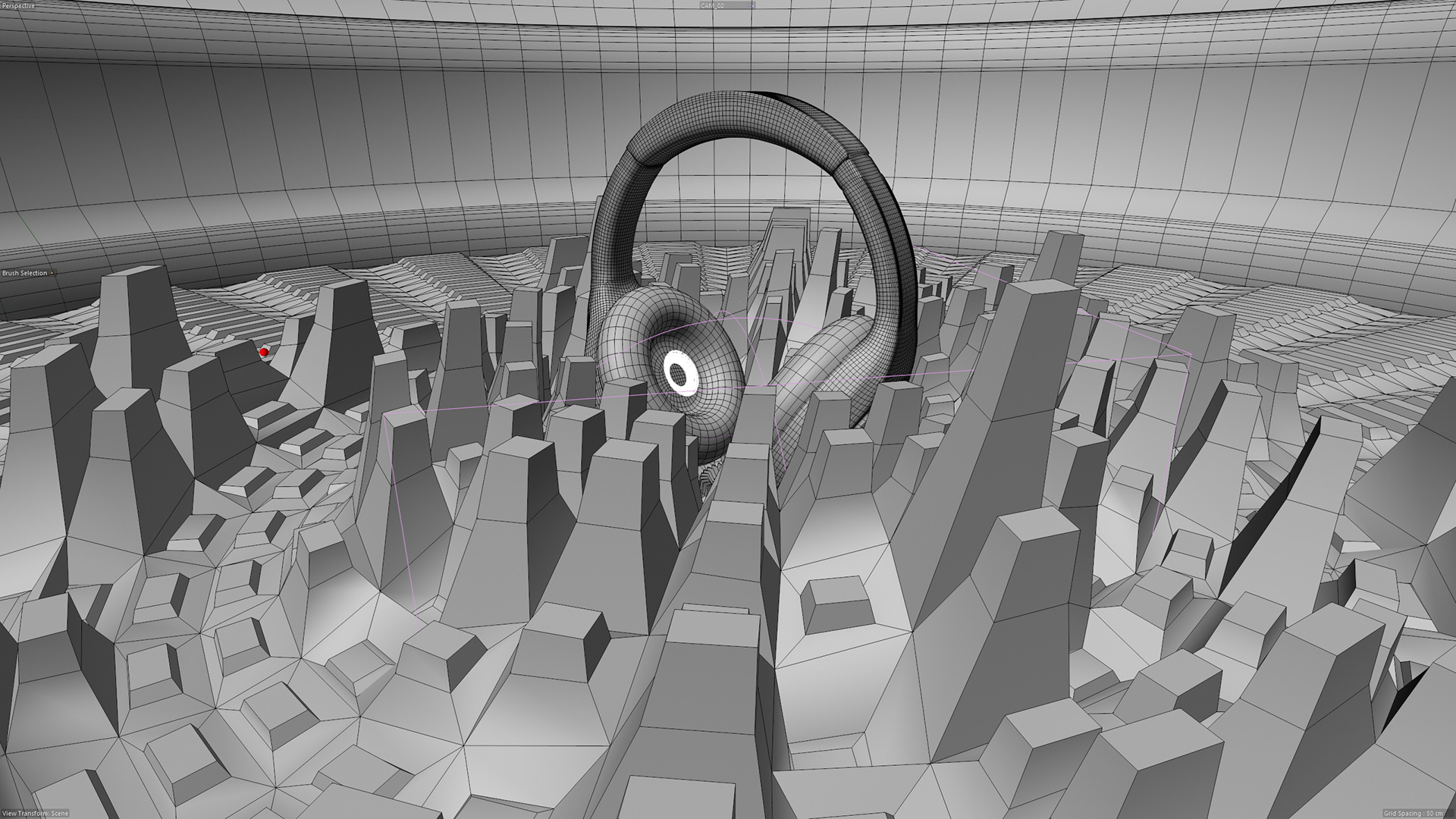
By layering these separate modules into a neat hierarchy, I gained total control over the edge flow and polygon densities. The final rendering used a dark, metallic felt texture to capture the subtle shadows and highlights created by the rapid geometric changes.
Outcome
By shifting the focus from random particle movement to structured mesh deformation, I built a reliable system capable of generating endless layout variations from a single audio input.
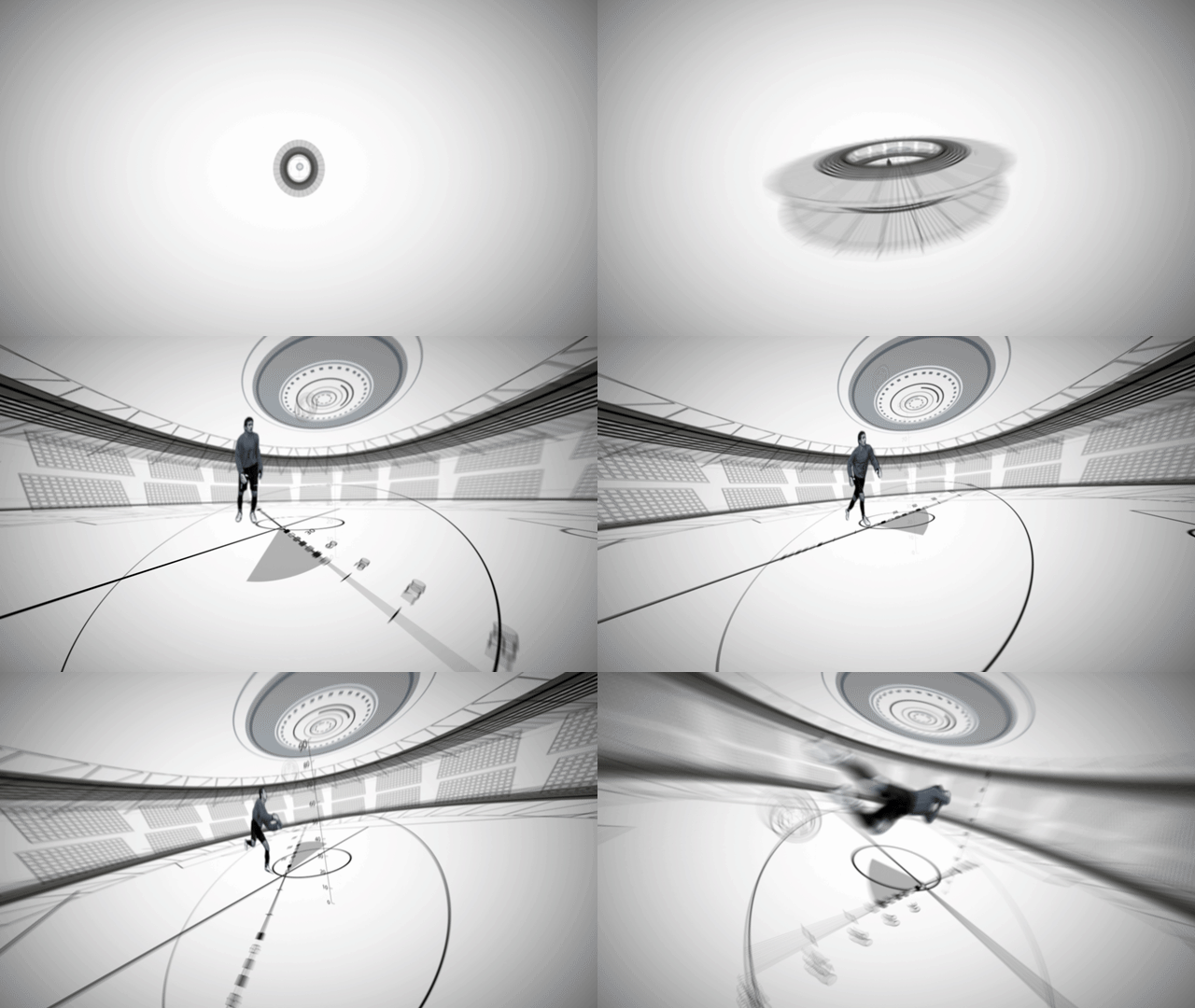
Showing the step-by-step wireframe pre-visualizations alongside the final render demonstrates that even the most complex, abstract animations can be managed with exact technical foresight.
It is a highly flexible pipeline tailored for commercial studio work, whether you're animating a high-end audio product launch or sync-matching complex visual effects to a specific sound design track.

Let’s Connect